By Breed
Breed is a useful starting point and a poor finishing one.
Why within-breed spread beats between-size spread
Take Labradors. The breed standard allows a range that spans roughly 25–36 kg, and working lines sit well below show lines. That spread is wider than the gap between two adjacent collar sizes on most manufacturers' charts.
So a breed-average chart puts a Labrador in a size that is right for the middle of the breed and wrong for both ends of it. The average is real; it just does not describe any particular dog.
| What breed predicts well | What it predicts badly |
|---|---|
| Adult growth curve shape | Adult size within ±20% |
| Coat type and clearance | Neck-to-head ratio in an individual |
| Chest depth tendency | Whether this dog is at breed standard |
Where breed genuinely earns its place
Two jobs, both about shape rather than size.
Head narrower than neck. Sighthounds, and several herding breeds, can back straight out of a flat collar. That is a breed fact, not a measurement, and it changes which collar you buy rather than which size.
Growth curve. A Great Dane and a Chihuahua at four months old are at completely different fractions of adult weight — large breeds front-load growth in the first six months, then slow, while toy breeds finish early. Predicting adult weight from a puppy requires knowing which curve applies, and that is what breed tells you.
How to use these pages
Start with the breed page for the shape and the growth curve. Then measure the dog for the number. The two together beat either alone, and the chart alone beats neither.
15 articles
How much should a Wire Fox Terrier weigh at 9 months?
| Typical weight now | 15.3lb |
|---|---|
| Healthy rangefrom the breed’s adult weight range, not a margin of error | 14 – 16.7lb |
| Share of adult weightsmall breeds finish growing around 12 months | 93% |
| Adult weight15–18 lb for the breed | 17lb |
| Expected gain this month3 months of growing left | 0.4lb |
| Months left to grow | 3months |
Notes
- Individual variation of ±10–15% is normal. Two Wire Fox Terrier puppies from the same litter can sit at opposite ends of the 14–16.7 lb range at 9 months and both be healthy. The shape of the curve matters more than any single reading: steady gain month over month is the thing to watch, not whether this week matches a chart.
- Small breeds reach adult weight at around 12 months, which is why this is not one curve for all dogs. Bigger dogs grow for longer, and feeding a large-breed puppy on a small-breed timetable is the most common way owners overshoot.
- At 9 months this puppy still has 3 months of growing left and should gain roughly 0.4 lb over the next month. A month with no gain at this stage is worth a vet call; a month with double the expected gain usually means the food is being measured by eye.
- Weigh on the same scale, same time of day, ideally before a meal. Puppy weights swing by several percent across a day, and comparing a morning weight to an evening one invents a change that never happened.
- Ribs are the better test. You should feel them easily under a thin layer, without pressing. That check works at every age and on every breed, which is more than any chart can claim.
Puppy weight by month
2,332 calculations · browse all
- How much should a Chihuahua weigh at 1 months?
- How much should a Maltese weigh at 4 months?
- How much should a Shih Tzu weigh at 7 months?
- How much should a Boston Terrier weigh at 10 months?
- How much should a Cavalier King Charles Spaniel weigh at 1 months?
- How much should a Beagle weigh at 1 months?
- How much should a Pembroke Welsh Corgi weigh at 1 months?
- How much should a Border Collie weigh at 4 months?
- How much should a English Bulldog weigh at 7 months?
- How much should a Australian Shepherd weigh at 10 months?
- How much should a Standard Poodle weigh at 13 months?
- How much should a German Shorthaired Pointer weigh at 16 months?
- How much should a Golden Retriever weigh at 1 months?
- How much should a Greyhound weigh at 4 months?
- How much should a Bernese Mountain Dog weigh at 7 months?
- How much should a Great Pyrenees weigh at 10 months?
- How much should a Irish Wolfhound weigh at 13 months?
- How much should a Saint Bernard weigh at 16 months?
- How much should a Miniature Pinscher weigh at 1 months?
- How much should a Japanese Chin weigh at 4 months?
- How much should a Silky Terrier weigh at 7 months?
- How much should a Cairn Terrier weigh at 10 months?
- How much should a Toy Fox Terrier weigh at 1 months?
- How much should a Coton de Tulear weigh at 1 months?
- How much should a Smooth Fox Terrier weigh at 1 months?
- How much should a Shiba Inu weigh at 4 months?
- How much should a Airedale Terrier weigh at 7 months?
- How much should a Australian Cattle Dog weigh at 10 months?
- How much should a Nova Scotia Duck Tolling Retriever weigh at 13 months?
- How much should a Finnish Spitz weigh at 1 months?
- How much should a Ibizan Hound weigh at 1 months?
- How much should a Borzoi weigh at 4 months?
- How much should a Gordon Setter weigh at 7 months?
- How much should a Flat-Coated Retriever weigh at 10 months?
- How much should a Treeing Walker Coonhound weigh at 13 months?
- How much should a Bloodhound weigh at 16 months?
- How much should a Giant Schnauzer weigh at 1 months?
- How much should a Belgian Tervuren weigh at 4 months?
- How much should a Rough Collie weigh at 7 months?
- How much should a Neapolitan Mastiff weigh at 10 months?
- How much should a Kuvasz weigh at 13 months?
- How much should a Black Russian Terrier weigh at 16 months?
- How much should a Miniature American Shepherd weigh at 1 months?
- How much should a Labradoodle weigh at 4 months?
- How much should a Cavapoo weigh at 7 months?
- How much should a Pit Bull weigh at 10 months?
- How much should a Field Spaniel weigh at 13 months?
- How much should a Wirehaired Pointing Griffon weigh at 1 months?
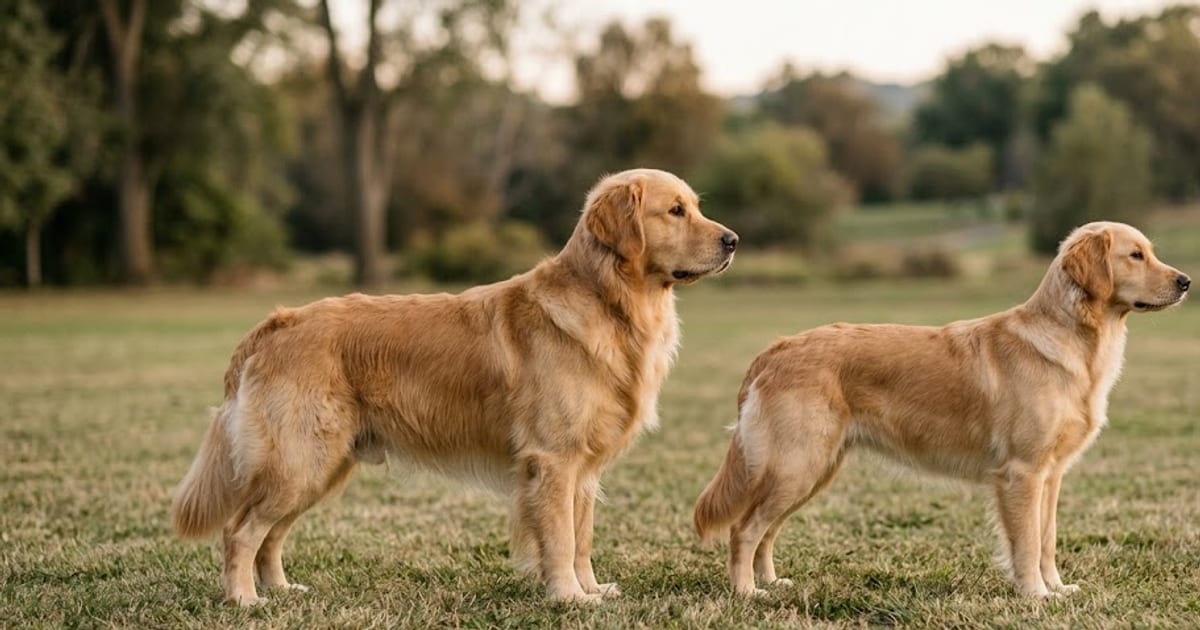 Golden Retriever Weight: 65–75 lb for Males, 55–65 lb for Females
The Golden Retriever breed standard gives a weight range for each sex, which few breed standards do. Males should weigh 65 to 75 pounds and females 55 to 65 pounds.
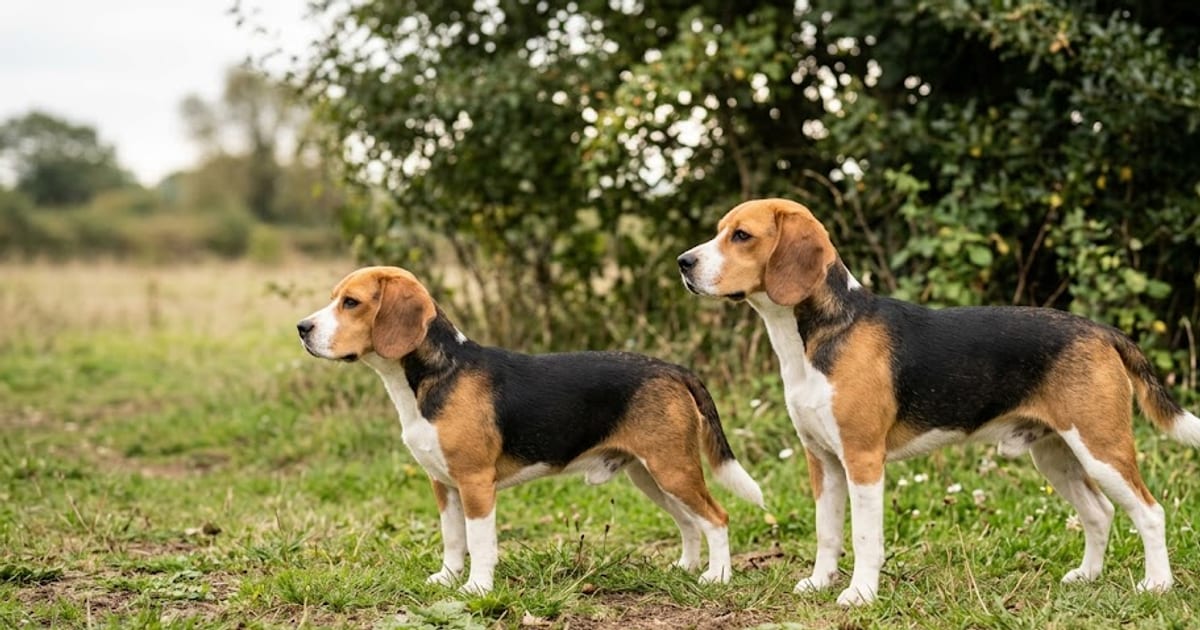 Beagle Weight: Under 20 lb or 20–30 lb, Depending on Which Beagle You Have
There is no single healthy weight for a Beagle, because the breed comes in two height varieties. A 13-inch Beagle should weigh under 20 pounds and a 15-inch Beagle 20 to 30 pounds.
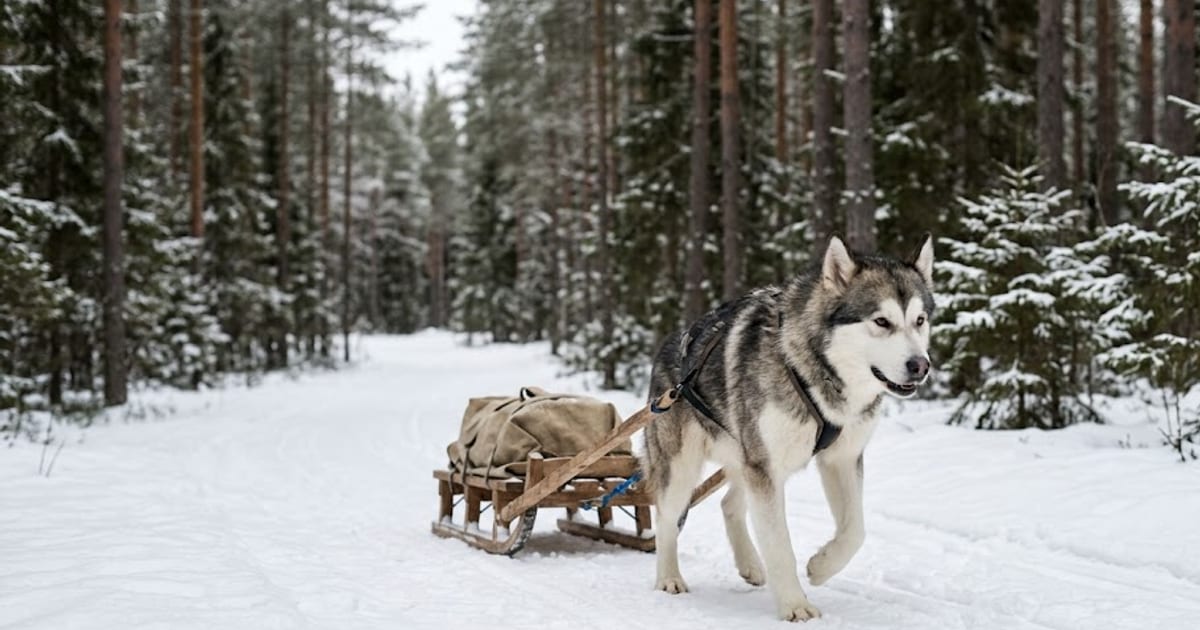 Alaskan Malamute Weight: 85 lb Males, 75 lb Females, and the Giant Malamute Question
The Alaskan Malamute standard names a desirable size rather than a range. Males should be about 25 inches and 85 pounds, females about 23 inches and 75 pounds.
 English Mastiff Weight: 160–230 lb Males, 120–170 lb Females
The English Mastiff has the widest weight range of any common breed. The AKC lists 160 to 230 pounds for males and 120 to 170 pounds for females, and the breed standard sets no upper limit at all.
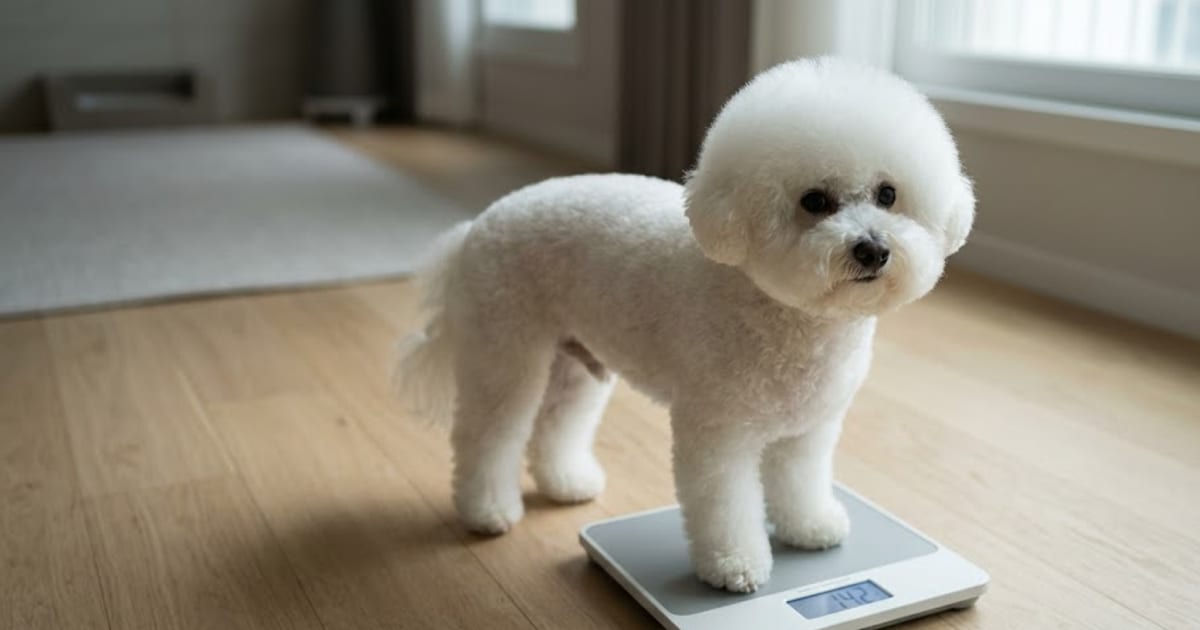 Bichon Frise Weight: 12 to 18 lb, and Why the Coat Makes It Hard to Judge
A healthy adult Bichon Frise usually weighs 12 to 18 pounds. The breed standard only specifies height, 9½ to 11½ inches at the shoulder, so weight follows from how tall and how solidly built the dog is.
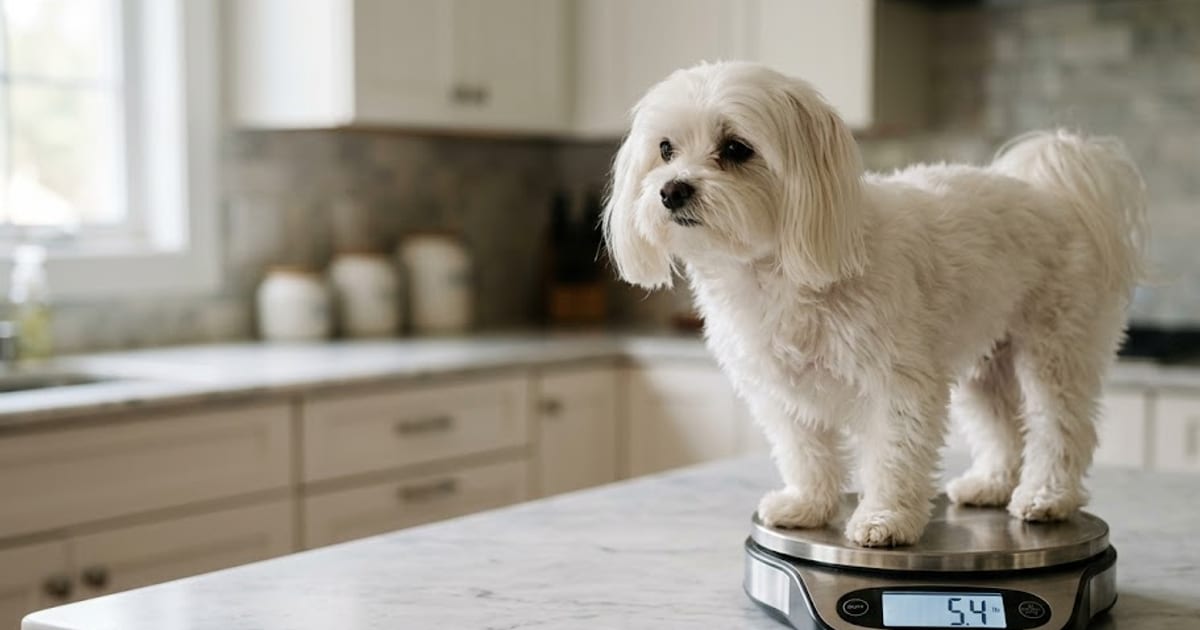 Maltese Weight: Under 7 lb, With 4 to 6 lb Preferred
The Maltese standard gives weight rather than height. Adult Maltese should weigh under 7 pounds, and 4 to 6 pounds is preferred.
 Lhasa Apso Weight: 12 to 18 lb for a 10 to 11 Inch Dog
Adult Lhasa Apsos usually weigh 12 to 18 pounds. The breed standard asks for a dog ideally 10 to 11 inches at the shoulder and leaves weight to the dog's build.
 Cocker Spaniel Weight: American 20–30 lb, English 26–34 lb
"Cocker Spaniel" covers two breeds. In the US the name usually means the American Cocker, 20 to 30 pounds. The English Cocker is taller and heavier at 26 to 34 pounds.
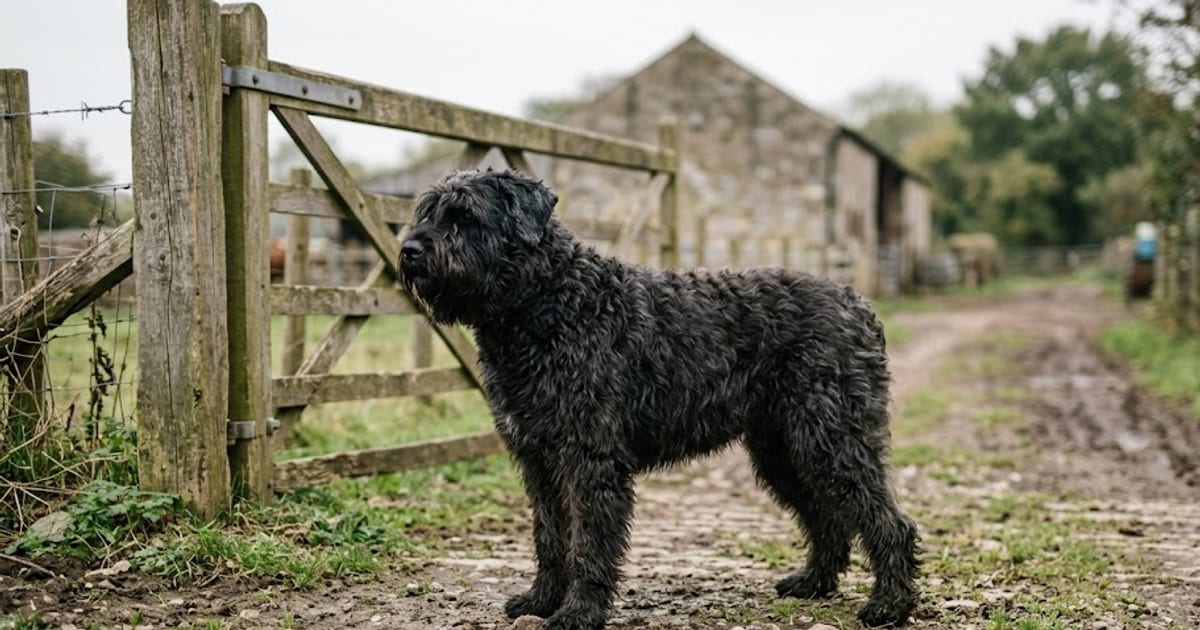 Bouvier des Flandres Weight and Size: 70–110 lb, 23½–27½ Inches
The Bouvier des Flandres weighs 70 to 110 pounds as an adult. The breed standard gives height rather than weight, with an ideal of 26 inches for males and 25 inches for females.
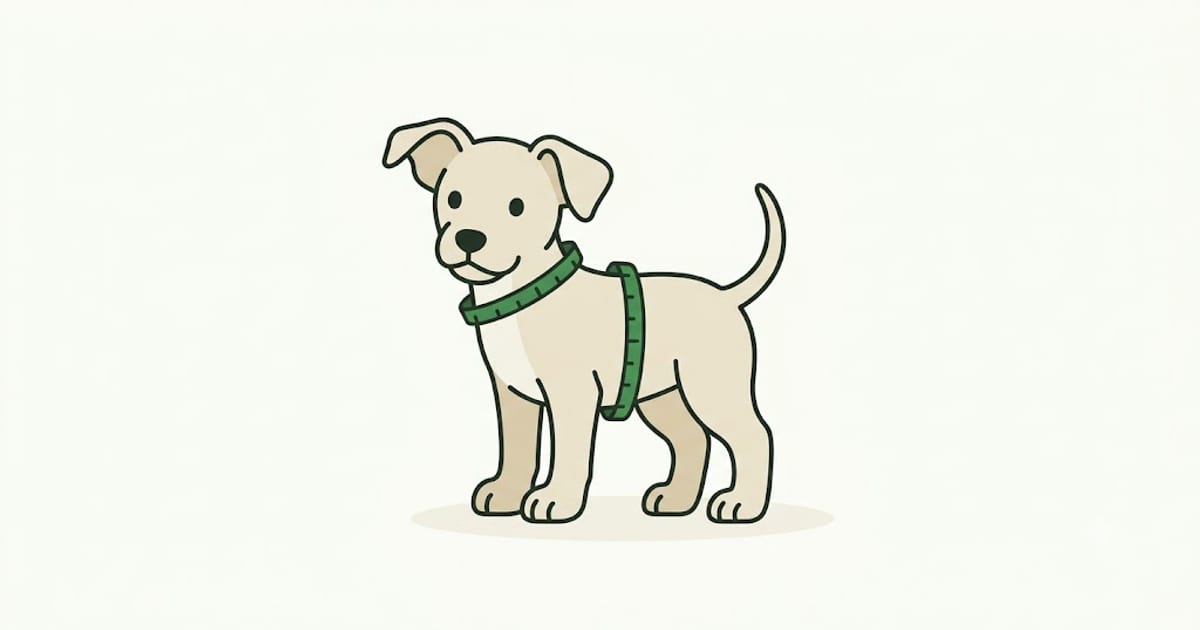 Estimating Adult Size for a Mixed-Breed Puppy — What Actually Predicts It
Big paws are the folk method and one of the weakest signals there is.
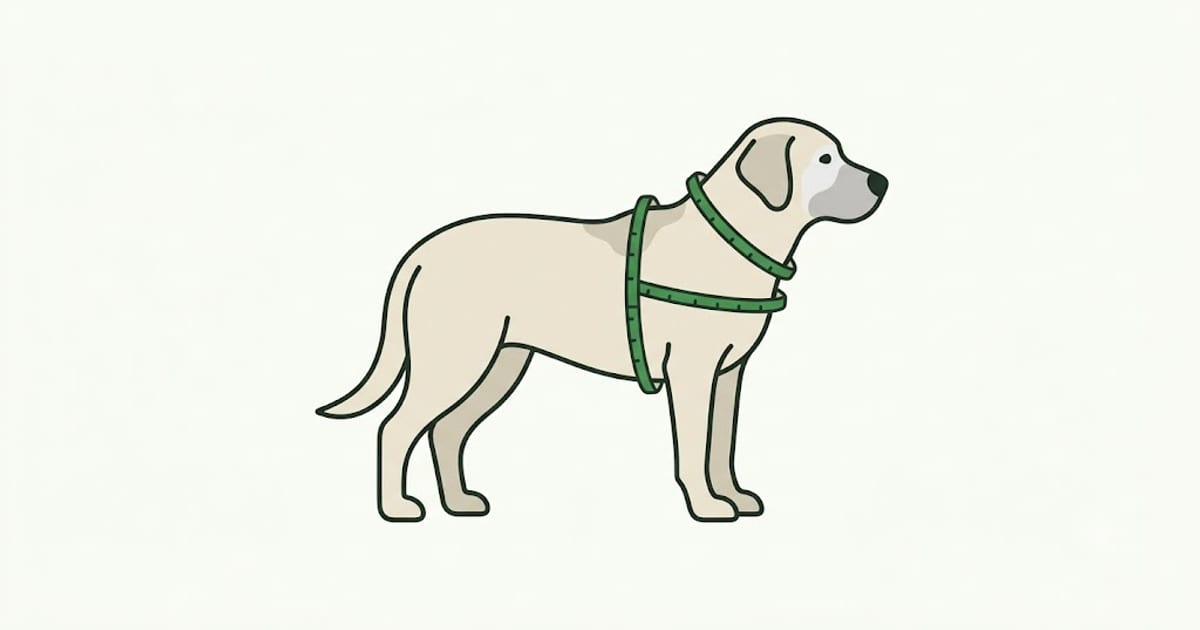 Older Dogs Change Size Too — Re-Fitting Gear for a Senior
The collar that fitted at seven can be slipped at twelve, and nothing about it looks different.
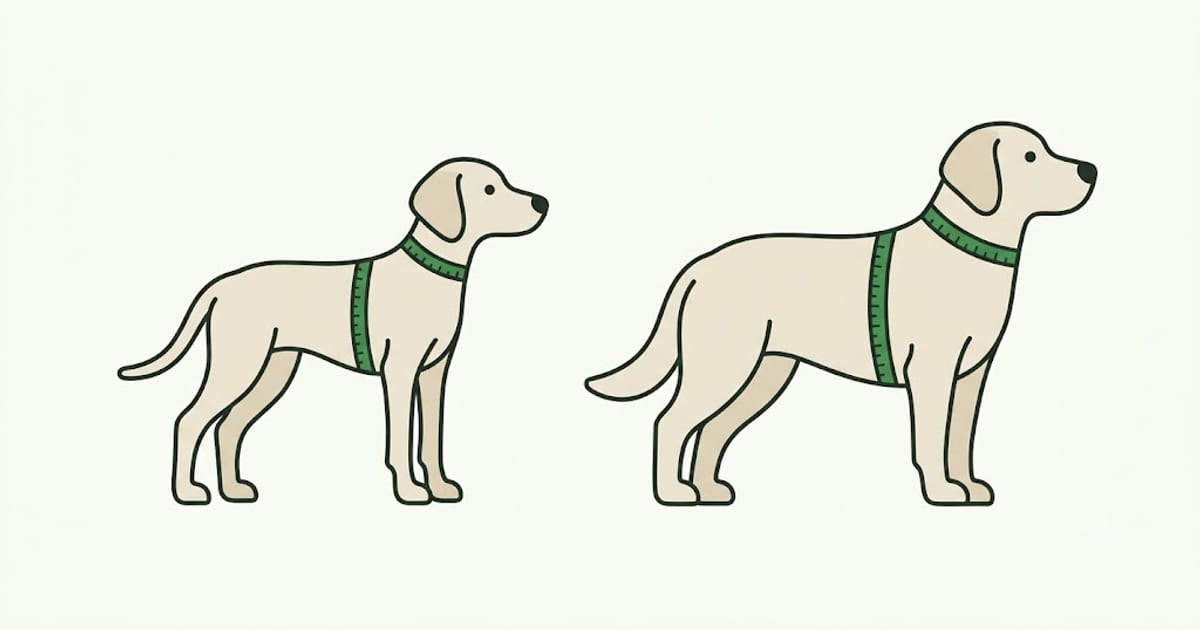 When Dogs Stop Growing — Height Finishes Long Before Width Does
A dog can reach its adult height at ten months and still outgrow its harness at eighteen.