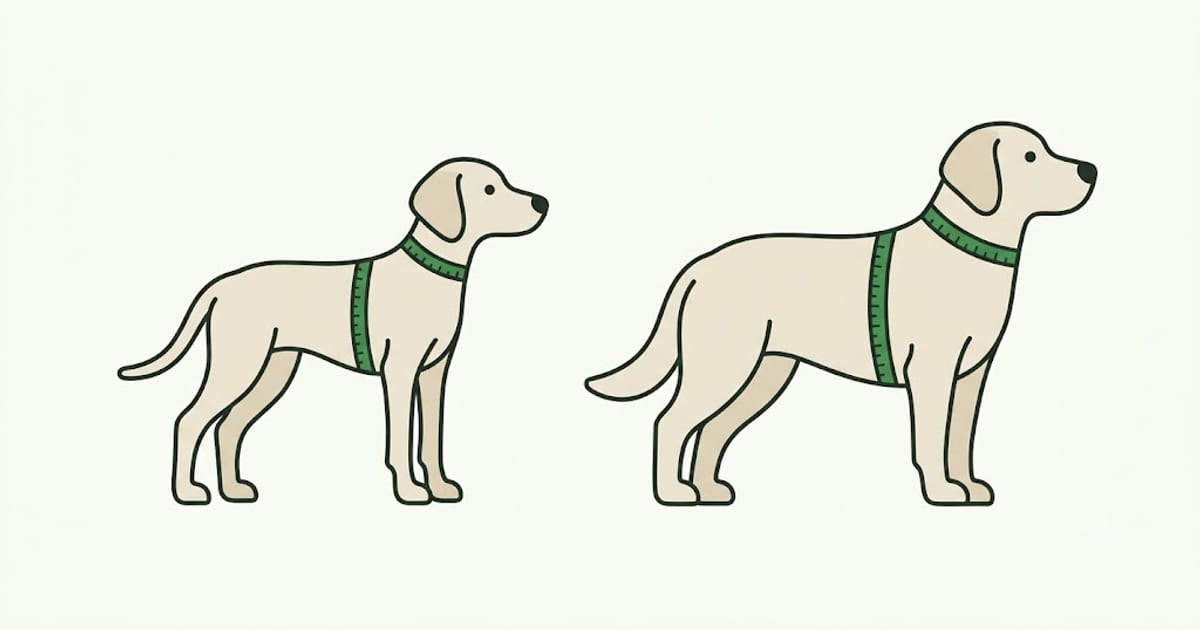
"When will my dog stop growing" has two answers, because dogs grow in two directions and finish at different times.
Height first, then everything else
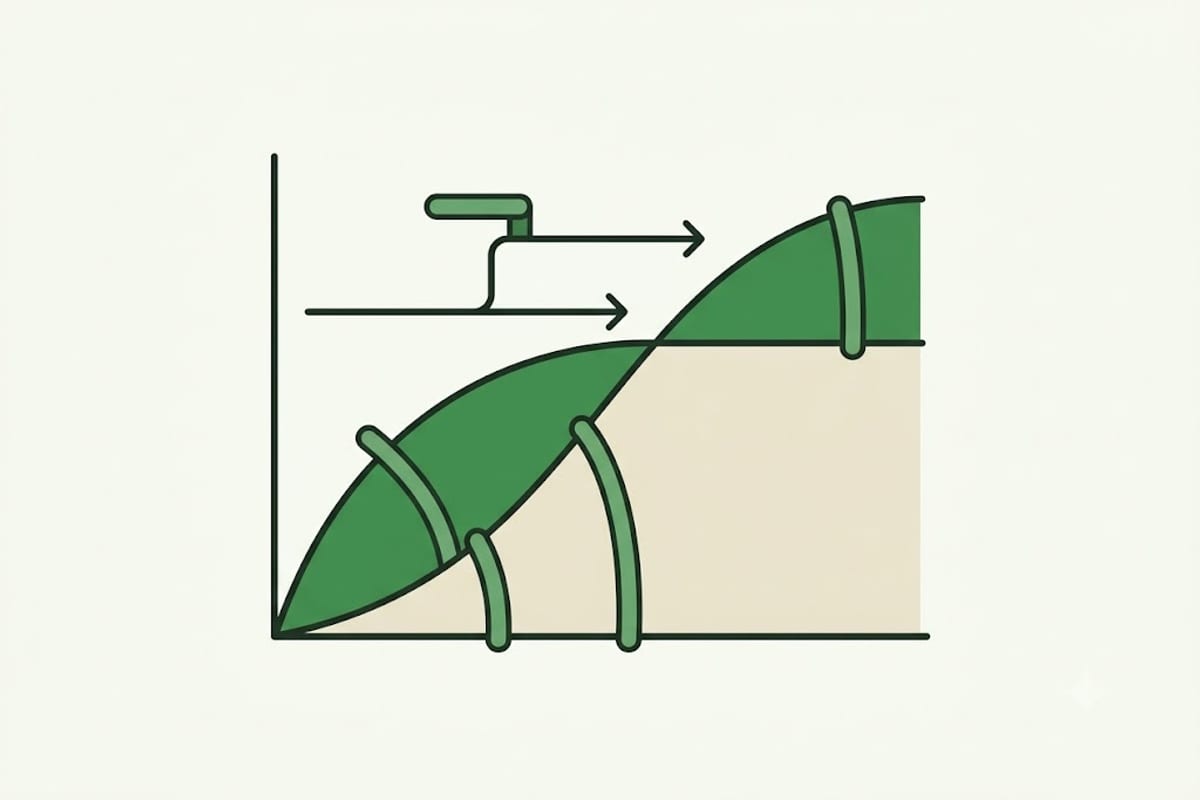
Height is driven by the long bones, and it stops when the growth plates close. After that a dog cannot get taller.
Width and muscle continue developing afterwards, sometimes for a long time. Chest depth, shoulder mass and neck thickness fill in over months once the skeleton has finished.
For gear this is the important part: a harness fitted the week the dog stopped growing taller can still be outgrown twice through the chest. Chest girth is the last measurement to settle, and it is the one harnesses are sized on.
Rough timings by size class
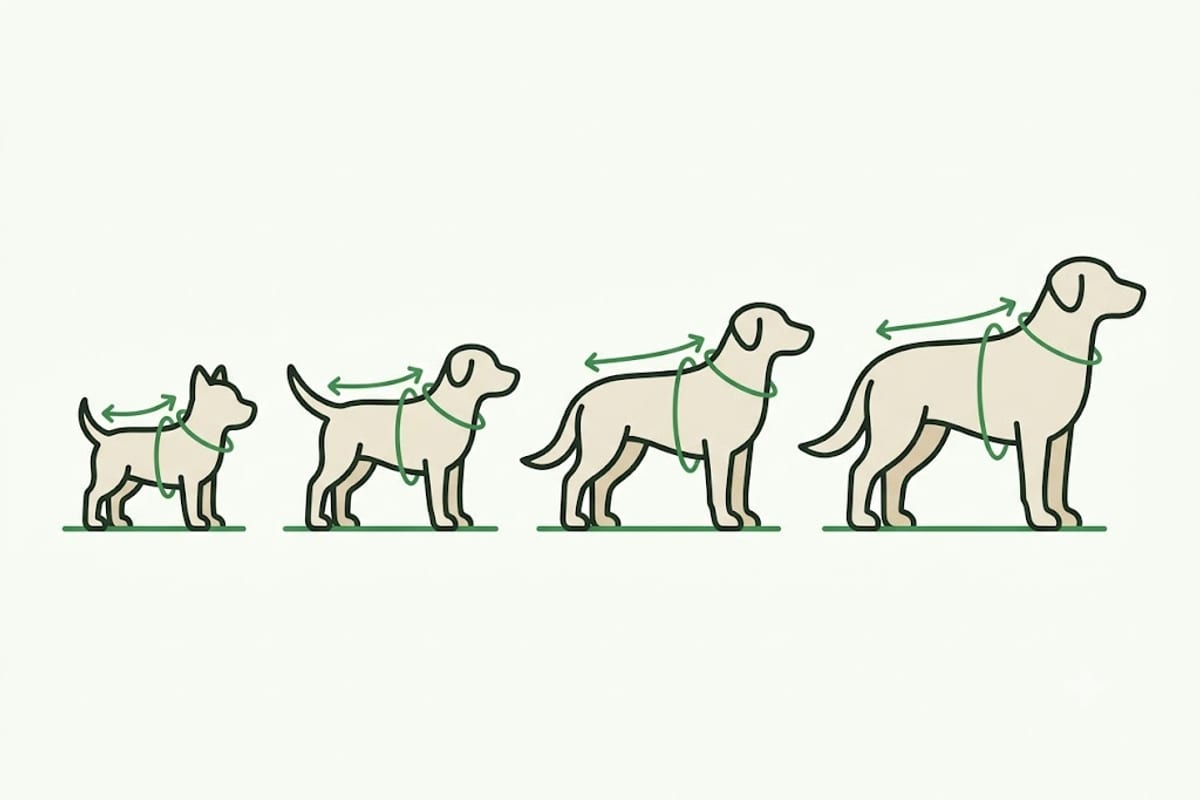
These are broad guides, and individual dogs vary considerably.
Toy and small breeds — height typically finished around 8–12 months, filling out largely done by about a year.
Medium breeds — height around 10–14 months, filling out to roughly 15–18 months.
Large breeds — height around 12–18 months, filling out to around two years.
Giant breeds — height often to 18 months or beyond, and filling out well into the second and sometimes third year.
The pattern is consistent: the bigger the adult dog, the longer both phases take, and the wider the gap between them.
Neutering changes the timing
Sex hormones are part of what signals growth plates to close. Neutering before maturity generally means the plates stay open a little longer, and the dog often ends up slightly taller with longer limbs than it otherwise would.
This is one of the reasons vets increasingly discuss timing rather than a fixed age, particularly for large breeds. It is a conversation for your vet — the point here is just that it affects the timeline, so a neutered large-breed dog may still be growing when the chart says it should have finished.
How to tell your own dog has finished
Do not go by age. Measure.
Take height at the withers and chest girth monthly. When two consecutive monthly measurements are unchanged, that dimension is done.
Expect height to stop moving first, sometimes by several months. Keep measuring girth after height has settled — that is exactly the period when a harness quietly stops fitting.
What this means for buying
Collars — expect two or three through the growing period on a large breed. Buy for adjustment range, replace when the buckle reaches the last hole.
Harnesses — the item most likely to need replacing after you thought the dog had finished. Re-check girth monthly until it settles.
Crates — buy the adult size and use a divider from the start. This is the one purchase to make once.
Coats — back length tracks height fairly closely, so a coat bought after the dog stops getting taller usually lasts.
Growth plates and exercise
Worth knowing rather than worrying about: while growth plates are open, the joints are more vulnerable to repetitive high-impact loading. The general advice for large-breed puppies is to avoid long forced runs, repeated jumping and stairs in volume until the plates close.
Free play on soft ground, where the puppy sets its own pace and stops when tired, is a different thing from a five-kilometre run beside a bicycle.
Exact guidance varies by breed and by dog, and your vet is the right source for your particular animal.
Adult size is not fixed forever
Once a dog is grown, the measurements still move — just for different reasons. Muscle gained through work, weight gained through age, seasonal coat, and muscle lost in old age all change neck and chest figures.
That is why the habit worth keeping is not "measure until grown" but "re-measure after anything changes."