Cat Age in Human Years
Cat age converted with the 2021 AAHA/AAFP formula — fifteen human years for the first year, twenty-four by the second, then four a year for the rest of the cat's life — with the life stage and the breed lifespan the number is really standing in for.
Cats do not age like dogs, and the difference is worth understanding before reading any table.
In dogs, body size dominates: a Great Dane and a chihuahua age at completely different rates, which is why no single dog conversion works. In cats, size barely matters. A four-kilo Siamese and a nine-kilo Maine Coon follow the same curve, and one formula covers the species.
The curve is steep, then flat
A cat reaches roughly 15 human years by its first birthday and 24 by its second. That is childhood and adolescence compressed into two years. After that it settles to about four human years for every cat year, and stays there.
This is why multiplying by seven is wrong in both directions — far too low for a kitten, far too high for a cat in its teens.
Four life stages, not six
The 2021 AAHA/AAFP guidelines replaced the older six-stage system with four: kitten under a year, young adult from one to six, mature adult from seven to ten, and senior over ten. The practical consequence is at the senior boundary, where the recommendation moves to twice-yearly examinations — six months is long enough for kidney values to travel a long way.
Breed changes the lifespan, not the rate
Every cat ages at the same four years per year. What differs by breed is how many of those years there are, and what ends them: hypertrophic cardiomyopathy in Maine Coons, Ragdolls and Sphynx; polycystic kidney disease in Persians and British Shorthairs; cartilage disease in every Scottish Fold.
The longest-lived are the ones with no breed-defining inherited disease — Siamese, Russian Blue, and the ordinary indoor cat of no particular ancestry.
1 article
How old is a 13-year-old Ragdoll in human years?
| Human-year equivalentAAHA/AAFP 2021 — 15 for year one, 24 by year two, then 4 a year | 68 years |
|---|---|
| Life stagekitten under 1 · young adult 1–6 · mature adult 7–10 · senior over 10 | senior |
| Typical lifespanindoor, for a Ragdoll | 12–17 years |
| Share of life so far | 90% |
| Typical years remaininga population median, not a prediction about your cat | 1.5years |
| Vet visits recommendedthe 2021 guidelines move to twice-yearly at this stage | twice a year |
| — Nearby ages — | |
| 11 years old | 60 human years |
| 12 years old | 64 human years |
| 13 years old | 68 human years |
| 14 years old | 72 human years |
| 15 years old | 76 human years |
| — Lifespan across breeds — | |
| Siamese | 15–20 years |
| Russian Blue | 15–20 years |
| cat | 13–17 years |
| Maine Coon | 12–15 years |
| Sphynx | 8–14 years |
Notes
- Ragdoll. Ragdolls carry a breed-specific mutation for hypertrophic cardiomyopathy, and it is one of the few feline heart conditions with a clear genetic test. The breed is also prone to bladder stones. The famously placid temperament is a hazard in itself: a cat that does not complain hides pain longer than a reactive one.
- Cats age on a flat line after two. Unlike dogs, where a Great Dane and a chihuahua age at completely different rates, size barely matters in cats. Every cat past its second birthday adds roughly four human years annually, which is why a single conversion works across the species and a single dog conversion does not.
- Senior does not mean ill, but it changes what you look for. The three conditions that define feline old age are chronic kidney disease, hyperthyroidism and arthritis, and all three are manageable when found early and expensive when found late. The 2021 guidelines move to twice-yearly examinations at this stage, with bloodwork and blood pressure each time, and the reason is simply that six months is long enough for kidney values to move a long way.
- Cats hide illness, and they are unusually good at it. A cat that is eating and grooming can be well into kidney disease. The signals worth acting on are quiet ones: drinking more, a change in litter-box habits, grooming less on one side, hesitating before a jump it used to make. None of those look like an emergency, and all of them are worth a visit.
- Indoors is the largest single factor in how long a cat lives. Median lifespan for cats kept indoors runs into the mid-teens; for cats with free outdoor access it is substantially shorter, and the causes are traffic, other cats, and infectious disease rather than anything to do with breed or genetics.
- Lifespan figures here are typical ranges from veterinary and breed-club sources, not a forecast. Individual cats of every breed live well past them — the verified record is 38 years.
Cat age in human years
218 calculations · browse all
- How old is a 1-year-old cat in human years?
- How old is a 6-year-old cat in human years?
- How old is a 11-year-old cat in human years?
- How old is a 16-year-old cat in human years?
- How old is a 21-year-old cat in human years?
- How old is a 2-year-old Maine Coon in human years?
- How old is a 7-year-old Maine Coon in human years?
- How old is a 12-year-old Maine Coon in human years?
- How old is a 17-year-old Maine Coon in human years?
- How old is a 1-year-old Siamese in human years?
- How old is a 3-year-old Siamese in human years?
- How old is a 8-year-old Siamese in human years?
- How old is a 13-year-old Siamese in human years?
- How old is a 18-year-old Siamese in human years?
- How old is a 23-year-old Siamese in human years?
- How old is a 4-year-old Persian in human years?
- How old is a 9-year-old Persian in human years?
- How old is a 14-year-old Persian in human years?
- How old is a 19-year-old Persian in human years?
- How old is a 1-year-old Ragdoll in human years?
- How old is a 5-year-old Ragdoll in human years?
- How old is a 10-year-old Ragdoll in human years?
- How old is a 15-year-old Ragdoll in human years?
- How old is a 20-year-old Ragdoll in human years?
- How old is a 1-year-old Bengal in human years?
- How old is a 6-year-old Bengal in human years?
- How old is a 11-year-old Bengal in human years?
- How old is a 16-year-old Bengal in human years?
- How old is a 21-year-old Bengal in human years?
- How old is a 2-year-old British Shorthair in human years?
- How old is a 7-year-old British Shorthair in human years?
- How old is a 12-year-old British Shorthair in human years?
- How old is a 17-year-old British Shorthair in human years?
- How old is a 22-year-old British Shorthair in human years?
- How old is a 3-year-old Russian Blue in human years?
- How old is a 8-year-old Russian Blue in human years?
- How old is a 13-year-old Russian Blue in human years?
- How old is a 18-year-old Russian Blue in human years?
- How old is a 23-year-old Russian Blue in human years?
- How old is a 4-year-old Sphynx in human years?
- How old is a 9-year-old Sphynx in human years?
- How old is a 14-year-old Sphynx in human years?
- How old is a 19-year-old Sphynx in human years?
- How old is a 1-year-old Scottish Fold in human years?
- How old is a 5-year-old Scottish Fold in human years?
- How old is a 10-year-old Scottish Fold in human years?
- How old is a 15-year-old Scottish Fold in human years?
- How old is a 20-year-old Scottish Fold in human years?
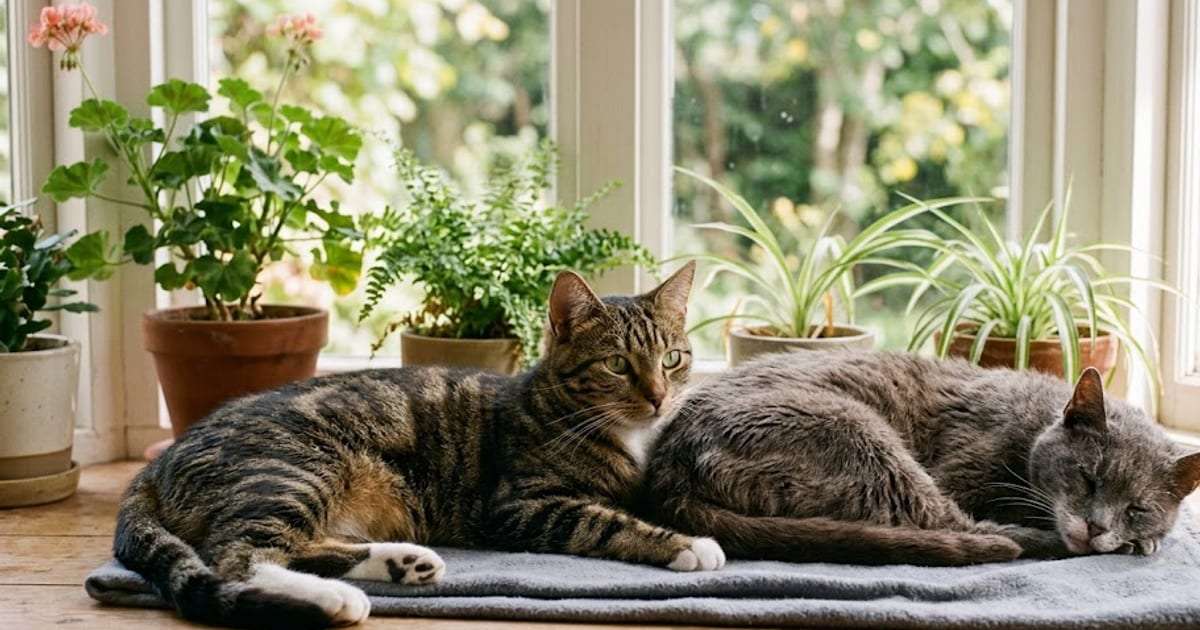 Cat Years to Human Years: Chart From 1 to 25, and When a Cat Is Old
A cat's first year equals about 15 human years and its second about 9 more, so a 2-year-old cat is roughly 24. After that, each cat year counts as about 4 human years.