Coats & Boots
Dog clothing is sized on one number, and it is not the dog's weight.
Back length decides the size
Back length is measured from the base of the neck — where a collar sits, at the withers — to the base of the tail. Not to the tip. A coat sized to the tip rides over the tail and gets soiled; a coat sized short leaves the loin uncovered, which is the part a wet dog loses heat from fastest.
Chest girth is the second number and it fails differently. Too small and the dog will not tolerate the coat; too large and it rotates. Deep-chested breeds routinely need a size up on girth and a size down on length, which is why a single "size M" fits almost no sighthound.
| Measurement | Where | What it decides |
|---|---|---|
| Back length | Withers → tail base | The size you order |
| Chest girth | Widest point behind the front legs | Whether it stays put |
| Neck girth | Where the collar sits | Whether it chafes |
Boots are sized on a loaded paw
A paw at rest is not the paw that has to fit. Weight spreads the pads outward, and the difference between the lifted and loaded width is enough to move a dog a full size — which is why boots measured off a raised paw come off in the first hundred metres.
Stand the dog, press the paw onto paper with the leg bearing weight, mark the outside of the widest two pads, and measure the width. Width governs; length follows from it in almost every brand's chart.
Weight charts are the wrong tool
Two dogs at 20 kg — a Staffordshire and a Border Collie — differ by 10 cm of back length. Every chart that starts from weight is approximating body shape from mass, and the approximation is worst exactly where coats matter most.
The pages below take one garment and one measurement at a time.
7 articles
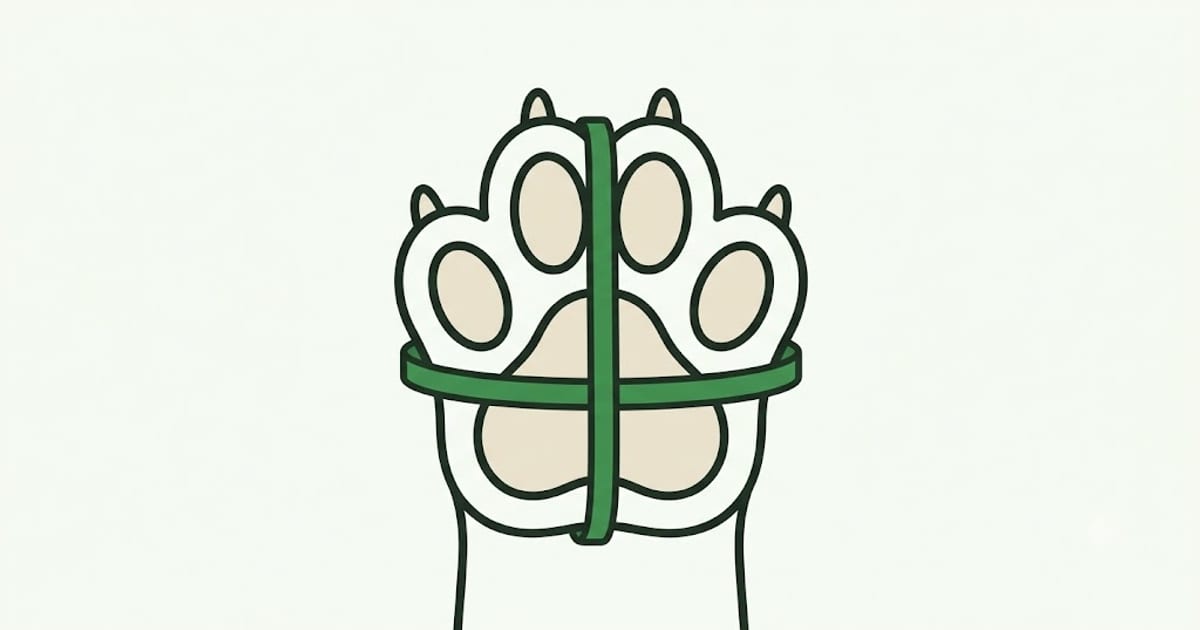 Dog Boots That Keep Falling Off — Measuring the Paw Properly
A paw is a different size when the dog is standing on it, and that is the size the boot has to fit.
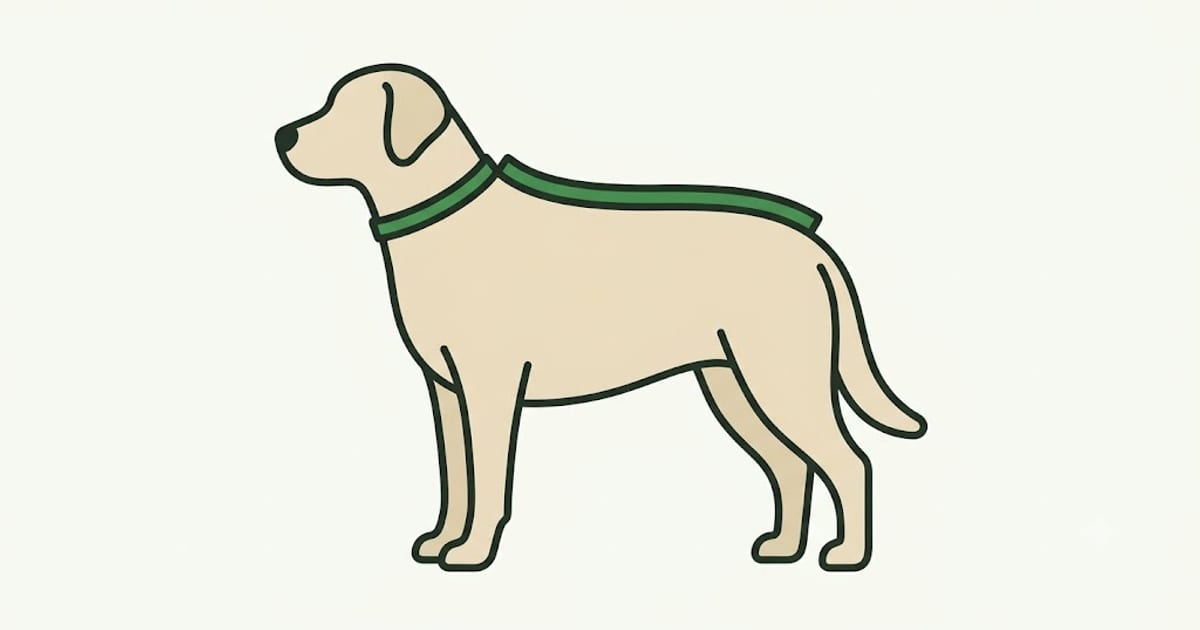 Dog Coat Sizing — Back Length Decides, Girth Adjusts
Girth can be let out. Back length cannot, and that is why it decides the size.
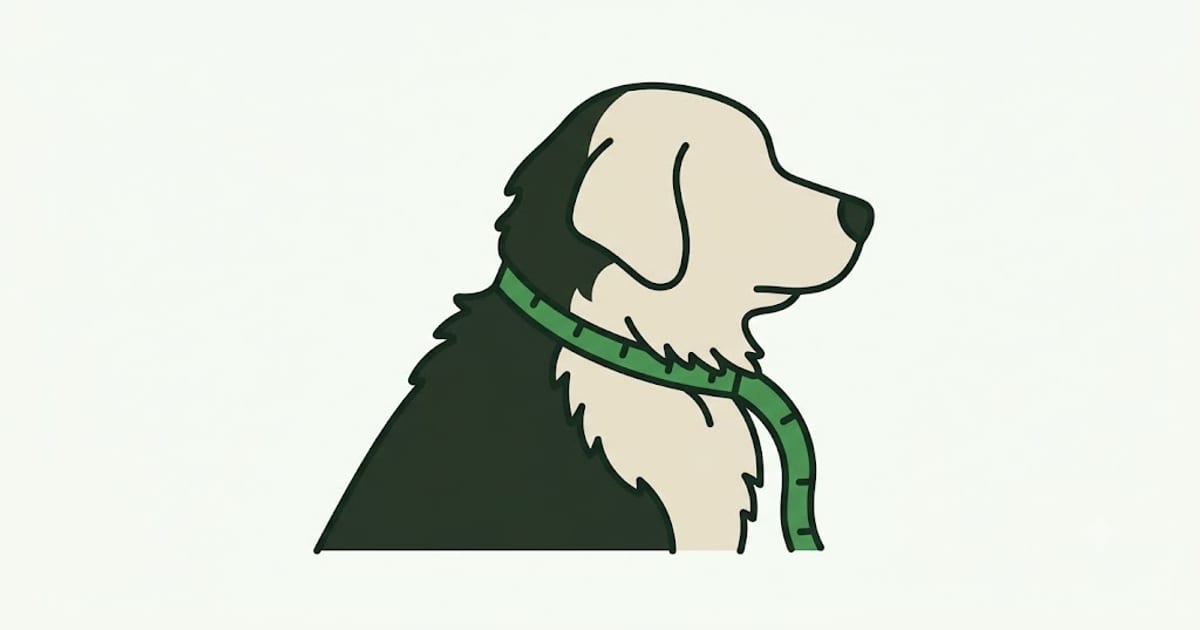 Measuring a Thick-Coated Dog — Measure the Dog, Not the Coat
Every measurement that includes coat is a measurement of something that will not be there in May.
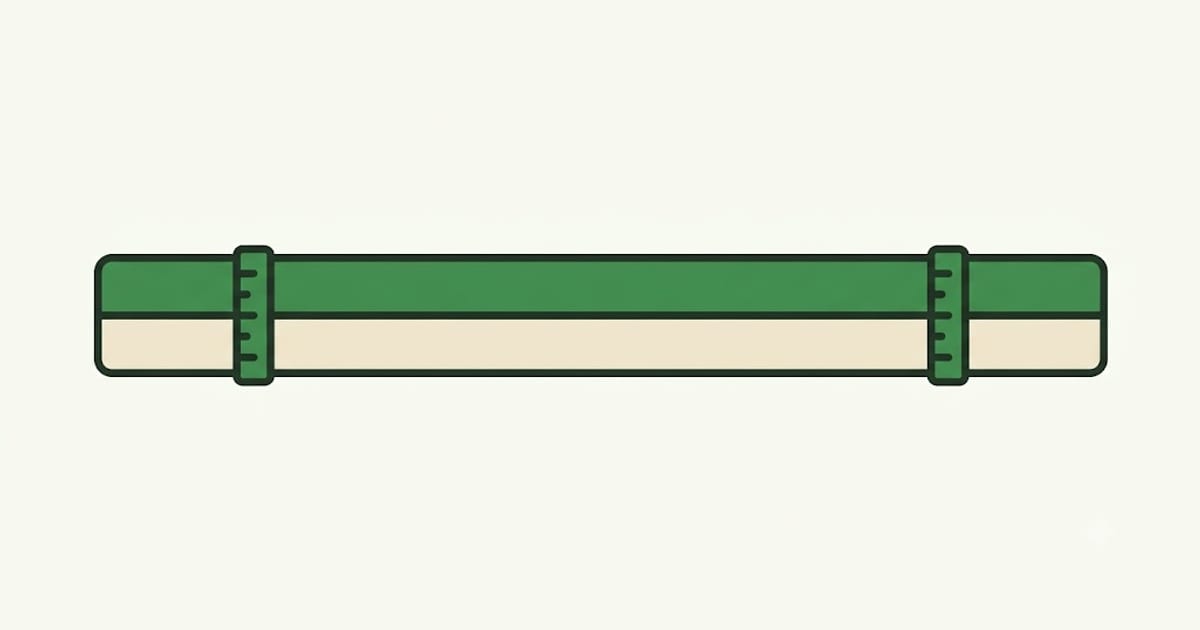 Coat Fit — Length Is Measured From the Withers, Not the Neck
Most coat sizing errors come from measuring the wrong length, and the wrong length is the one that feels natural to measure.
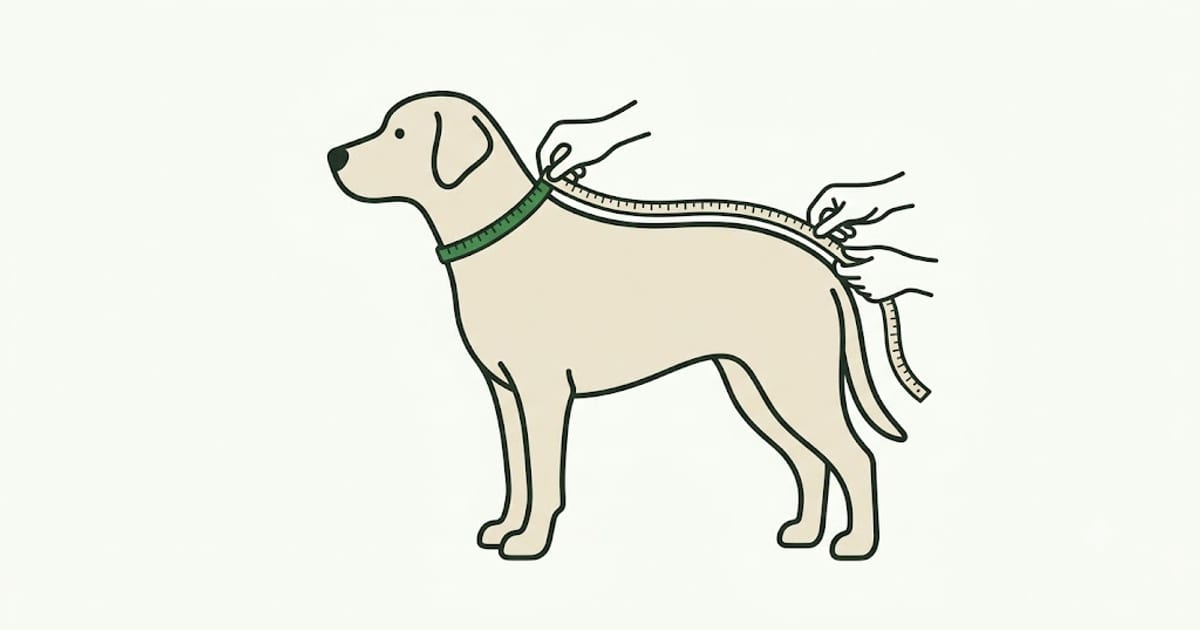 Measuring a Dog for a Coat: Back Length First, and Where to Stop
Back length decides the size and the tail clearance decides whether the dog will tolerate it. Manufacturers index on weight, which predicts neither.
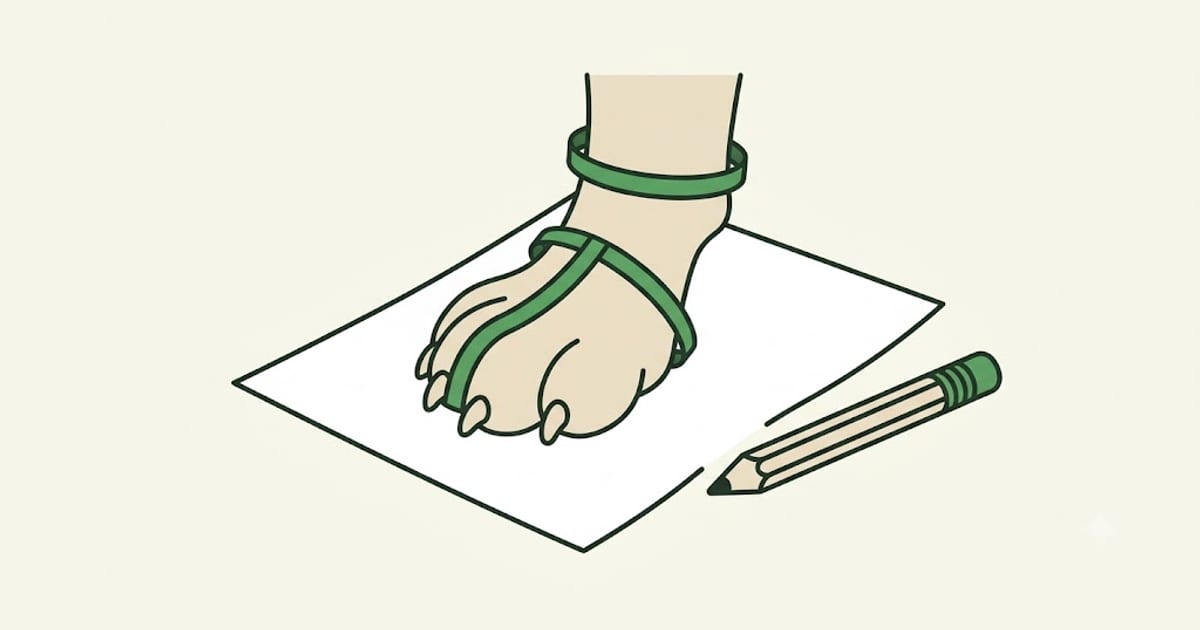 Sizing Dog Boots: Measure the Paw Loaded, Not Lifted
A paw spreads under the dog's weight. Measure a lifted foot and you buy a boot that either will not go on or comes off on the first walk.
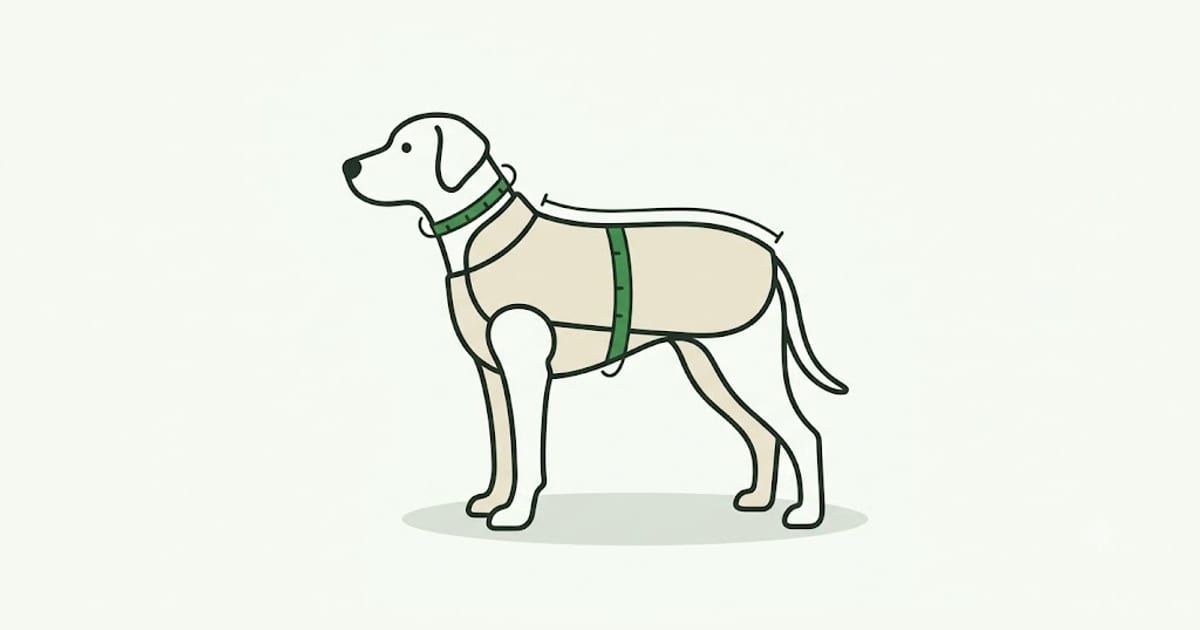 Dog Coat and Boot Sizing: Back Length Is the Only Number That Matters
Coat sizing fails more often than collar sizing, because manufacturers index on weight and coats fit along the back. The two numbers are barely related.