Harness
A harness is sized by girth, not by weight — and that single fact is why so much dog gear fits badly.
Two dogs of the same weight can differ by four inches of chest circumference. A barrel-chested English bulldog and a deep-narrow-chested vizsla weigh similarly and take completely different harnesses. Manufacturer charts that map pounds to sizes are working from a correlation that is genuinely weak.
So the honest answer is a range by size group, and then: measure the dog. A number pretending to precision it does not have is worse than no number.
Coat changes every measurement
Double-coated breeds — samoyeds, huskies, shelties, bichons — read three to four inches high on girth if you measure over the fur. Part the coat and measure to the skin, or buy a size you will have to return.
Harness rather than collar, for some dogs it is not optional
Flat-faced breeds and those prone to tracheal collapse — pugs, French bulldogs, Boston terriers, chihuahuas, yorkies, pomeranians — should walk on a harness. A collar restricts an airway that is already compromised, and the risk is not theoretical.
Long-backed breeds with IVDD risk — dachshunds, corgis, basset hounds — want a harness for a different reason: a collar puts all the leash force into the neck and spine.
Front-clip against back-clip
A back-clip harness is comfortable and gives you no mechanical advantage at all — a dog that pulls will pull harder. A front-clip turns the dog toward you when it pulls, which is why trainers reach for them. Neither is a substitute for teaching a loose lead, but one makes the teaching possible.
Two fingers, everywhere
Under every strap. Tighter and it chafes; looser and the dog backs out of it, usually at a curb.
12 articles
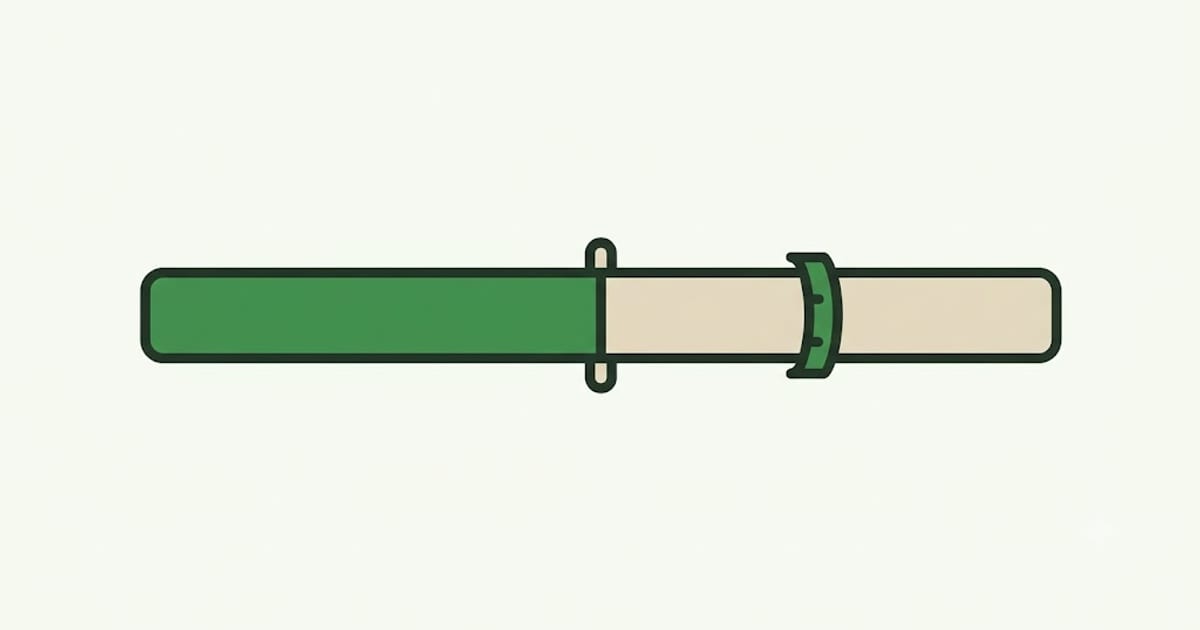 Your Dog Is Between Sizes — Which Way to Go, and When It Depends
"Size up" is repeated everywhere as though it were one rule. For crates it is often the wrong one.
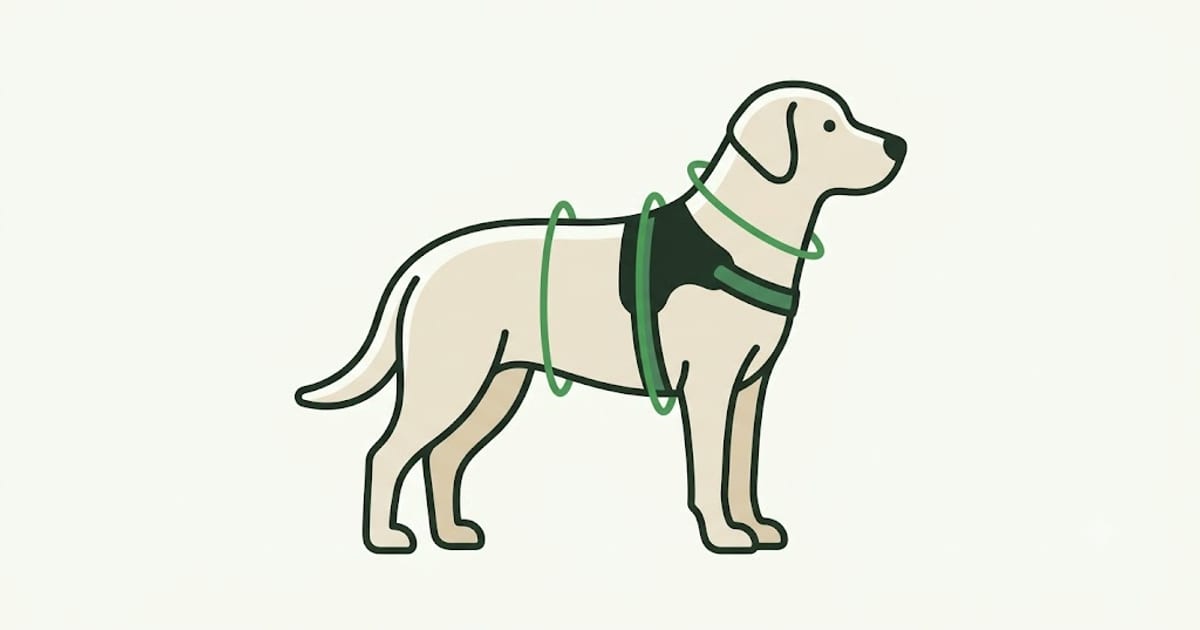 Harness Rubbing Under the Front Legs — What Causes It and What Fixes It
Padding a strap that is in the wrong place makes the strap bigger, not the problem smaller.
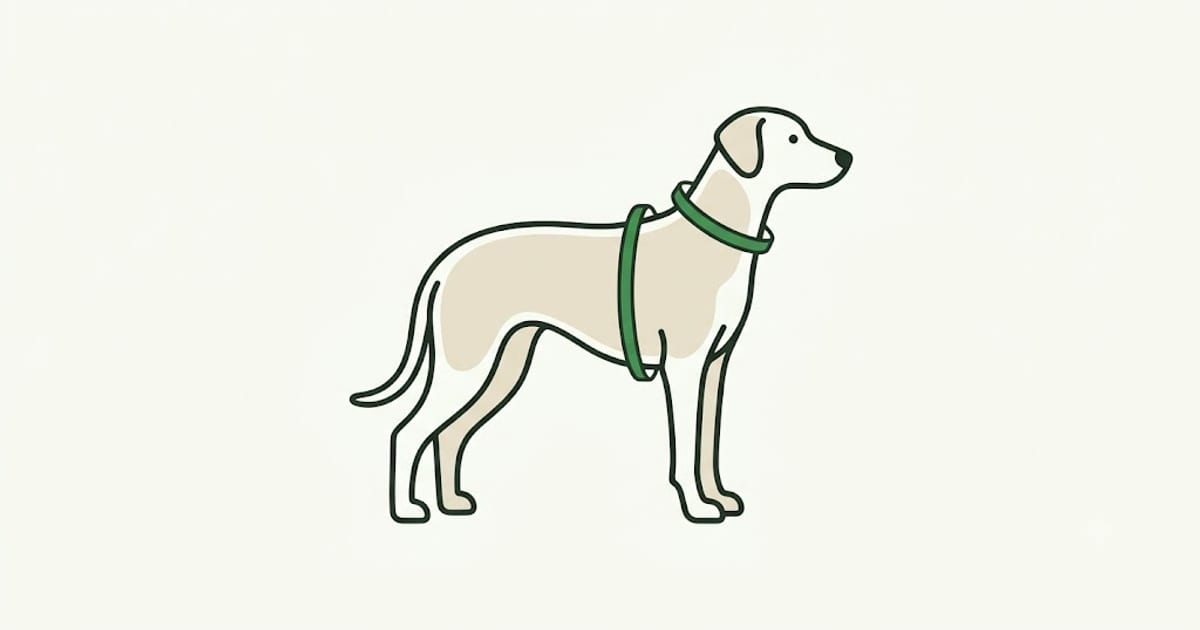 Harness Fitting for Deep-Chested Dogs — Why the Standard Sizes Do Not Work
Two dogs with the same girth can need completely different harnesses if one is deep and narrow and the other is round.
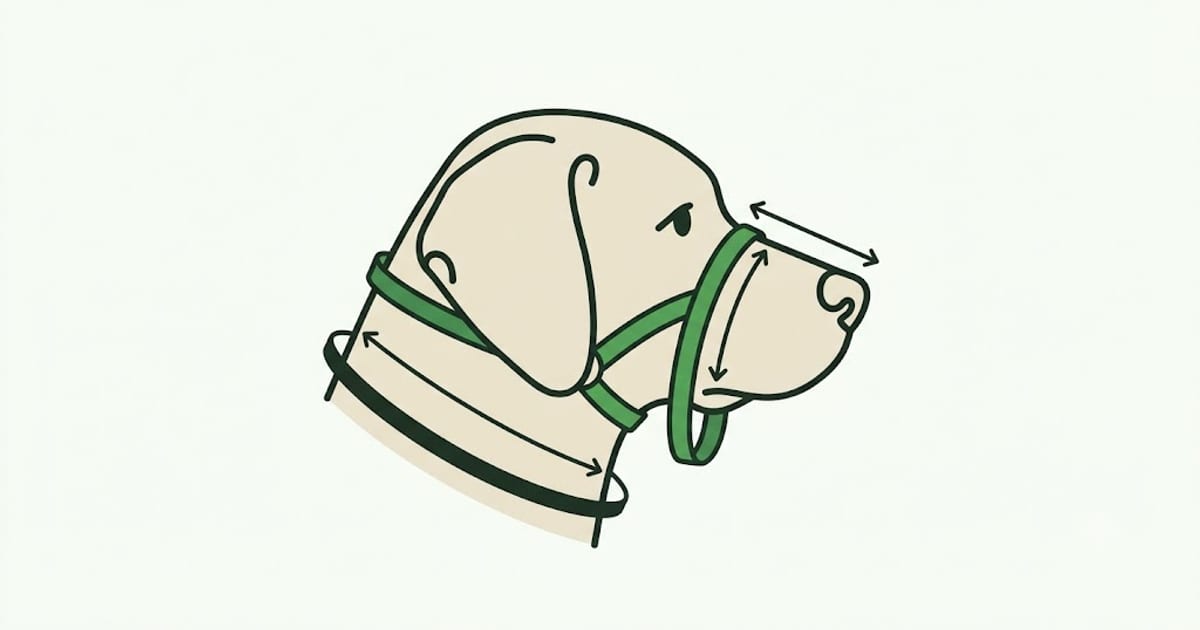 Head Halter Sizing and Fit — and When Not to Use One
Almost every complaint about head halters traces back to two things: a bad fit, and putting it straight on the dog.
 Collar or Harness for a Dog That Pulls? The Neck Is the Wrong Place for That Force
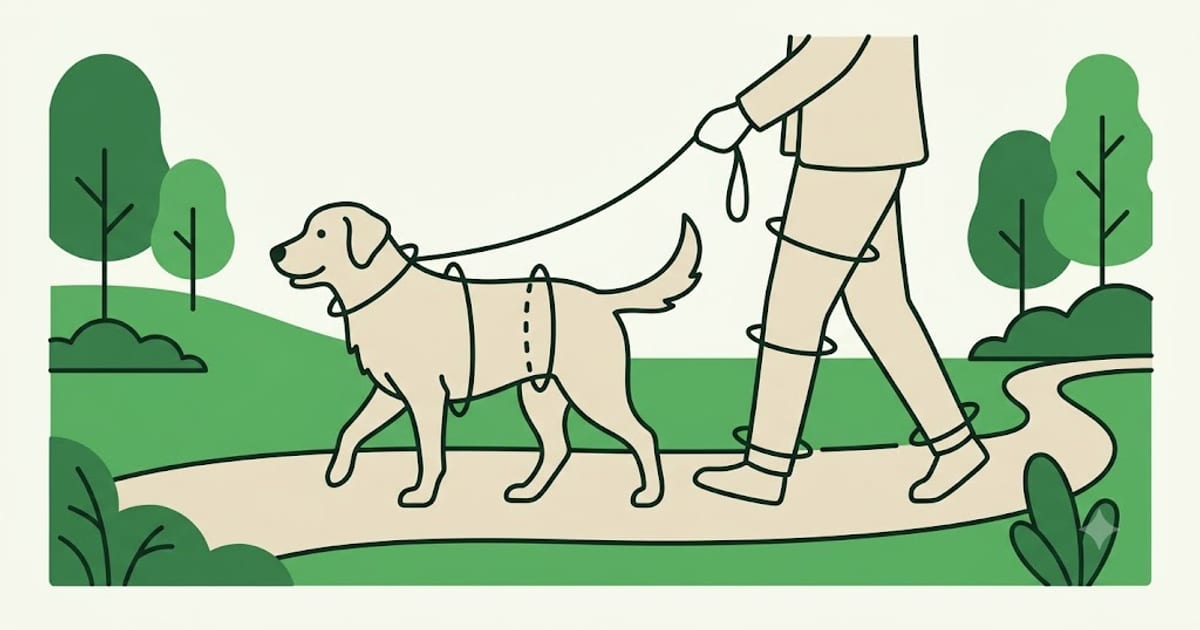
A harness moves the force off the throat. It does not reduce the force, and it does not teach anything — which is why people conclude harnesses make pulling worse.
 Fitting a Dog Harness: Every Strap, and the One That Rubs
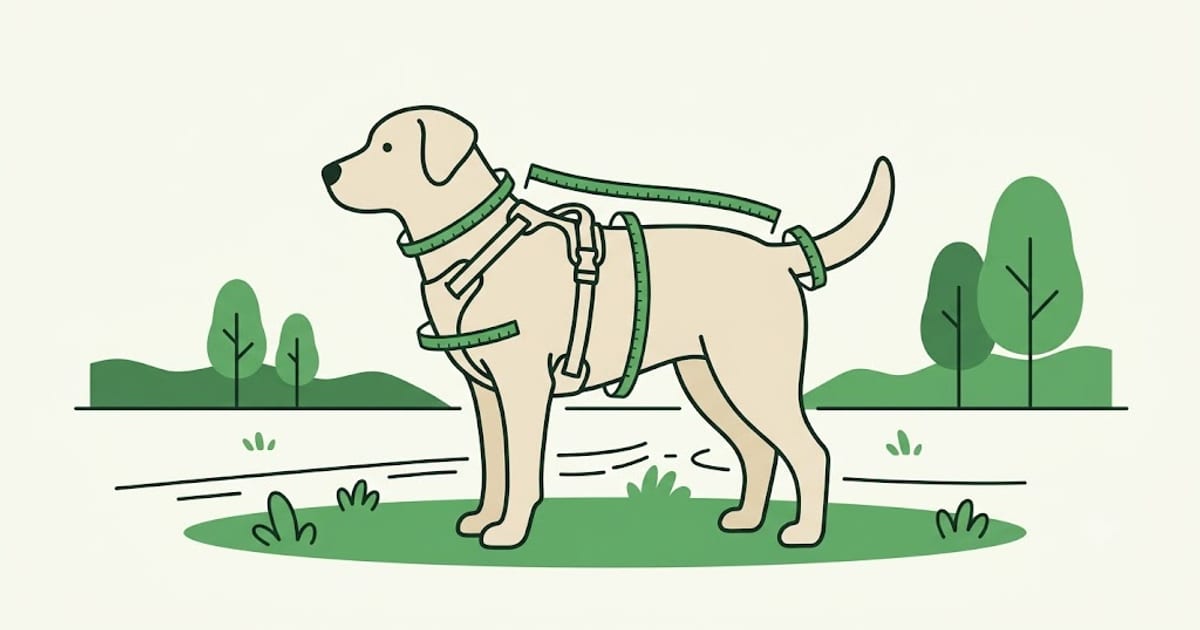
Most harnesses are adjusted at one strap and left. The one that causes trouble is usually the one nobody touched.
 Front-Clip or Back-Clip Harness? One Steers, the Other Does Not
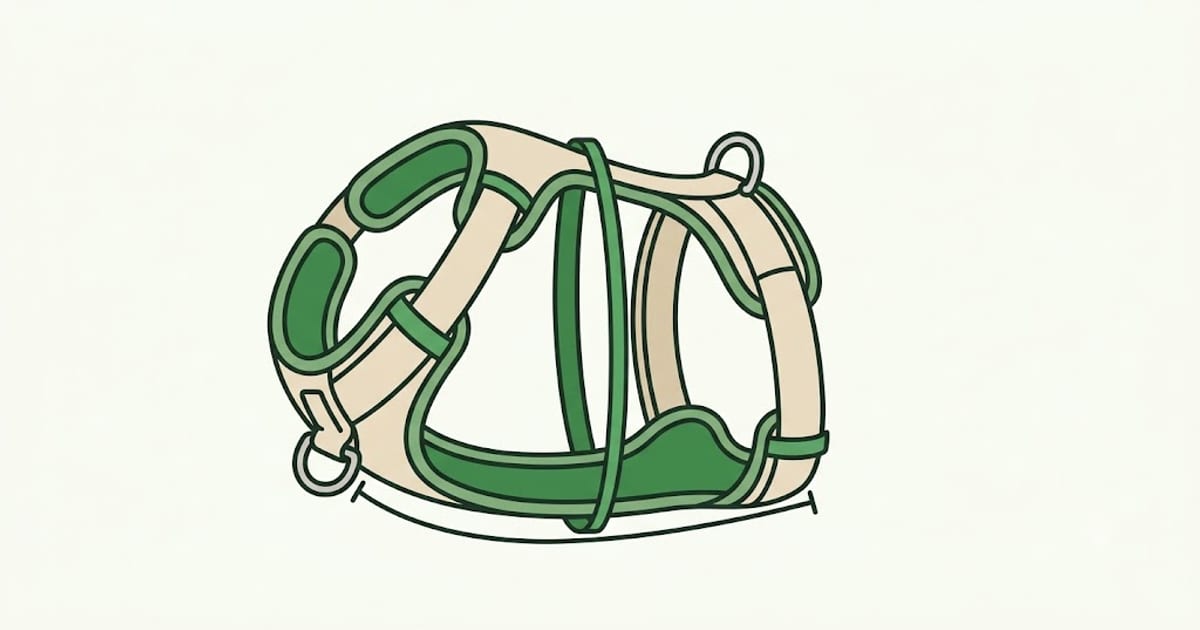
A back-clip harness is comfortable and gives you no steering at all. That is fine for a dog that does not pull and useless for one that does.
 French Bulldog Harnesses: Why the Chart Almost Always Reads Small
The French Bulldog is the breed weight-based charts get most wrong, because almost none of its measurements are where the weight suggests they should be.
 How to Measure Your Dog for a Harness: Girth, Neck and Where to Put the Tape
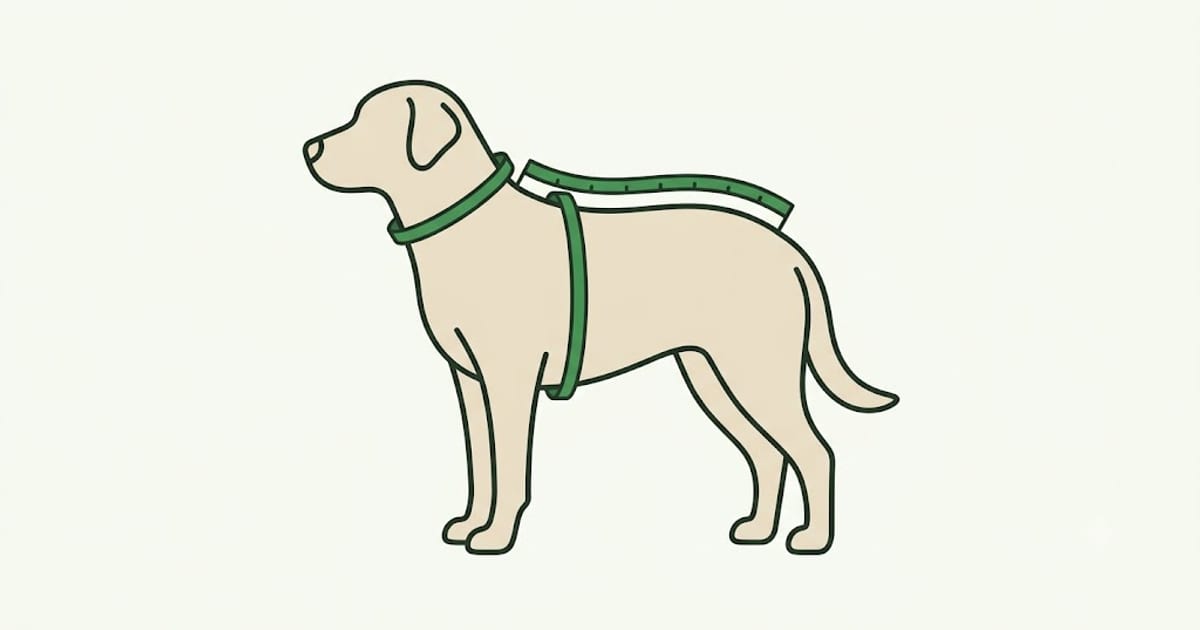
Harnesses are sized on chest girth, the distance around the widest part of the ribcage just behind the front legs. Measure with the dog standing square, snug but not tight, against the body rather than over a thick coat.
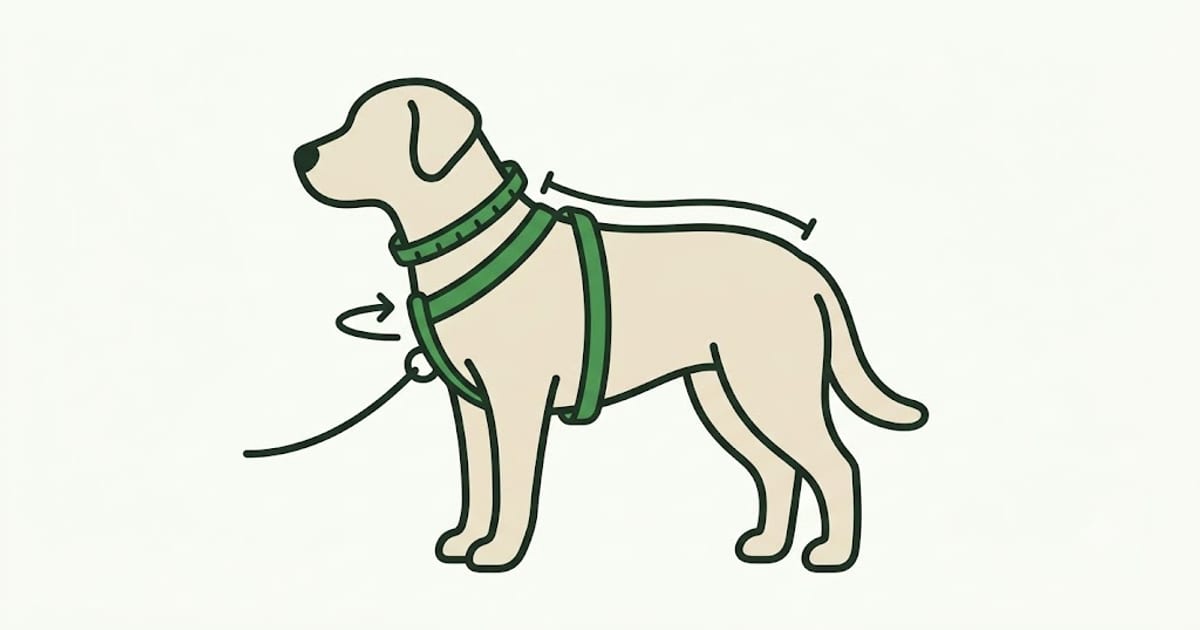 No-Pull Harness Sizing: Why Fit Decides Whether It Works at All
A front-clip harness is the one style where fit is not a comfort question. Half an inch of slack and the mechanism it depends on simply stops happening.
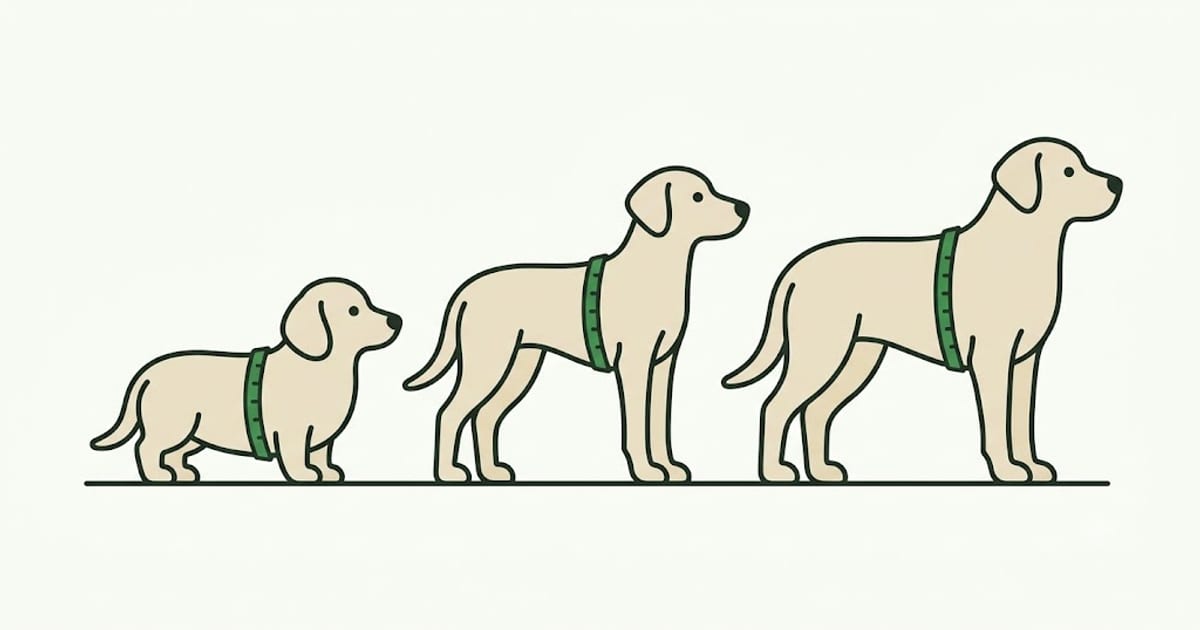 Puppy Harness Sizing: Why Age Is the Worst Index of All
Age tells you less about a puppy's chest than any other variable, because two puppies of the same age can be six months apart in development and four sizes apart in girth.
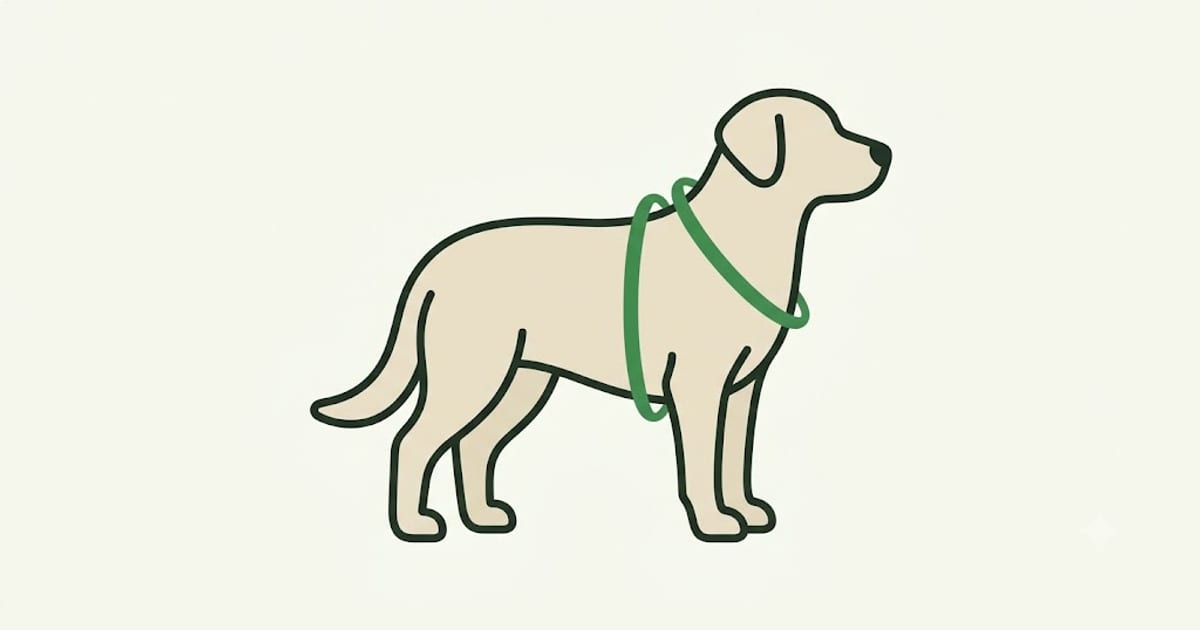 Dog Harness Sizing by Breed: Useful as a Shortlist, Useless as an Answer
Breed charts work for narrowing a shortlist and fail as a final answer, because within a single breed the girth range is wide enough to span two harness sizes.