Collar & Leash
A collar is sized on the dog's neck, and almost every bad fit comes from measuring the wrong part of it.
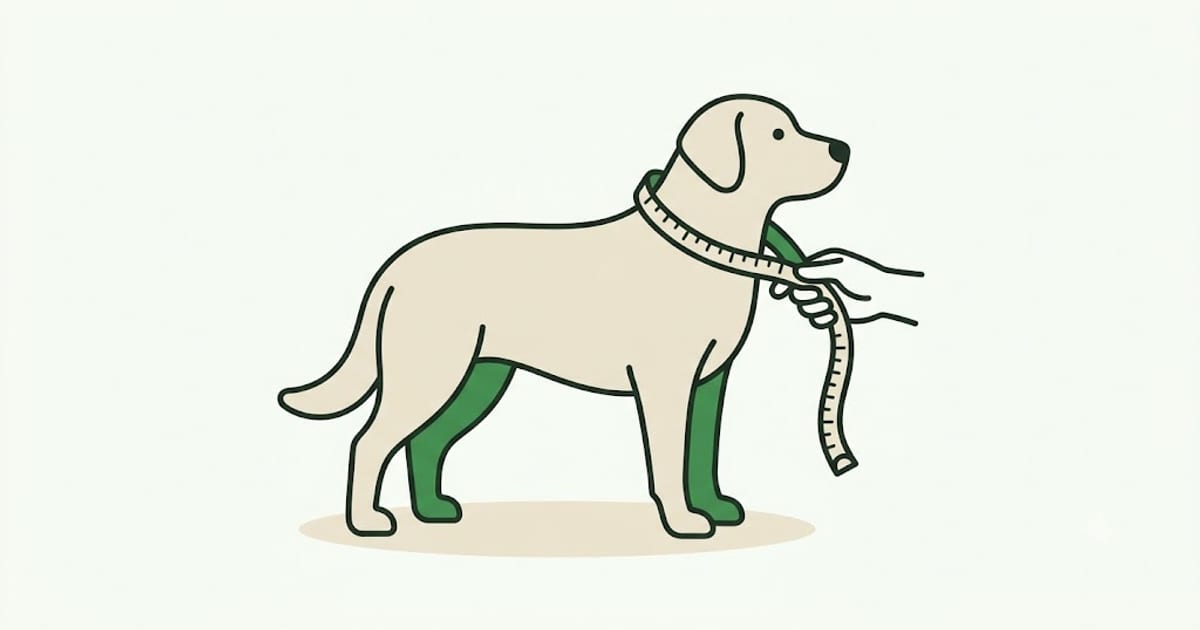
Where the tape goes
A dog's neck is not a cylinder. It tapers from the shoulders up to the head, so the circumference changes by several centimetres over the length a collar could sit.
Measure where the collar will actually rest — mid-neck, above the shoulders, below the ears. Measuring at the base gives a reading that is too large and the collar slips forward; measuring right behind the ears gives one that is too small and it chafes.
Then check with fingers, not arithmetic: two fingers flat between collar and neck for a medium or large dog, one for a toy breed. That test survives coat changes, weight changes and a wet dog, and no chart does.
| Reading too large | Reading too small |
|---|---|
| Tape at the shoulders | Tape behind the ears |
| Over a winter coat | Over a clipped neck |
| Tape pulled slack | Tape pulled tight |
The shape question comes before the size question
If the widest part of the head is narrower than the neck, a flat collar tightened enough to stay on is tighter than it should be, and loosened enough to be comfortable will come off backwards. Sighthounds are the obvious case; several other breeds and many individual dogs share the trait.
That is what a martingale solves — it tightens to a hard limit under pull and hangs loose otherwise. It is a shape fix, not a training tool.
Leash attachment changes the load, not the size
Back-clip, front-clip and head halter move where force is applied, which changes steering and pressure distribution. None of them change the neck measurement, so size the collar first and choose the attachment second.
9 articles
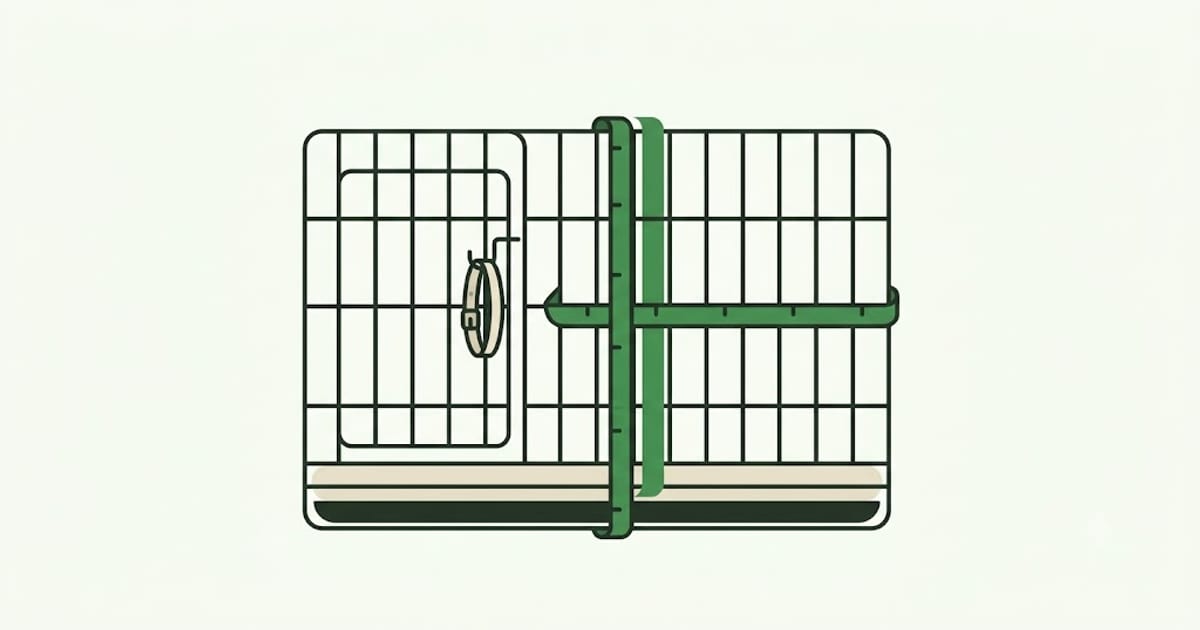 When a Collar Should Come Off — Crates, Play and the Case for Breakaway
The two situations where collars cause the most injuries are the two where owners think least about them.
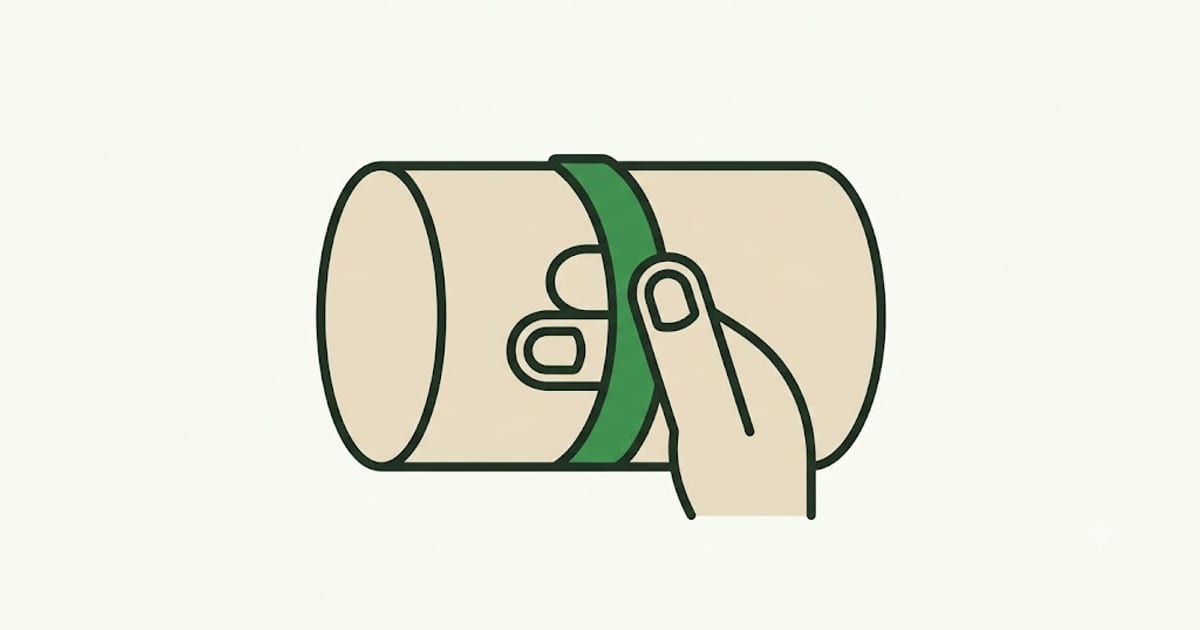 How Tight a Dog Collar Should Be — and the Signs You Got It Wrong
Two fingers is the rule everyone quotes, but almost nobody is told where on the neck to check.
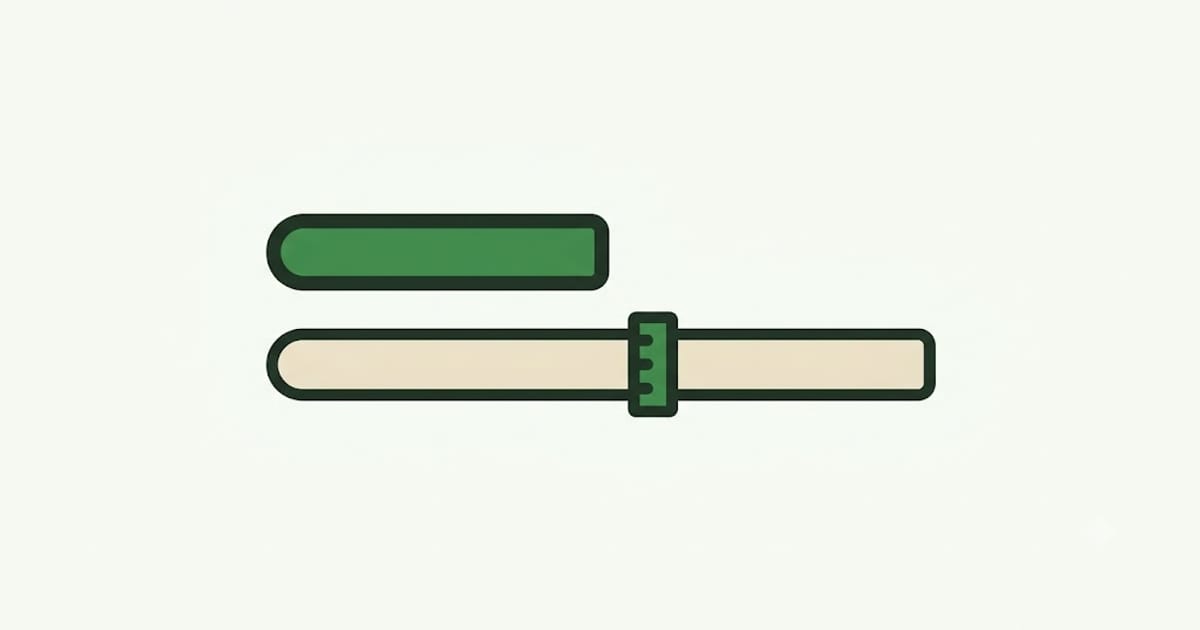 Neck Size Is Not Collar Size — What the Number on the Label Means
The number on a collar is a range of settings, not a measurement of your dog.
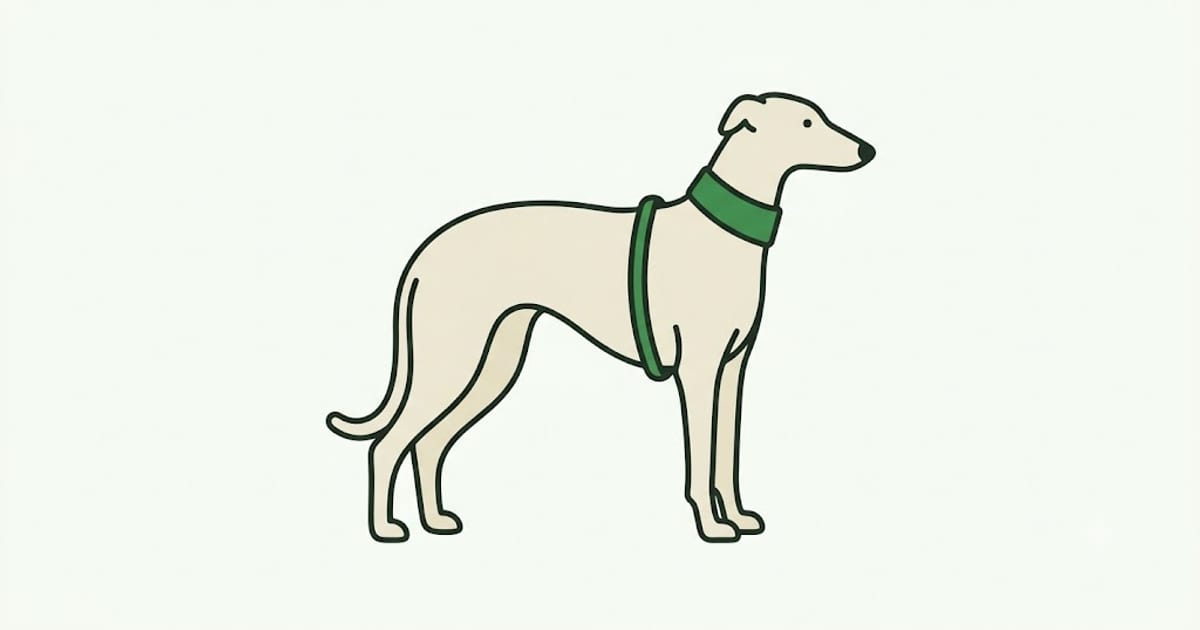 When the Neck Is Wider Than the Head — Collars That Cannot Be Backed Out Of
This is not a sizing error, and no amount of tightening will fix it.
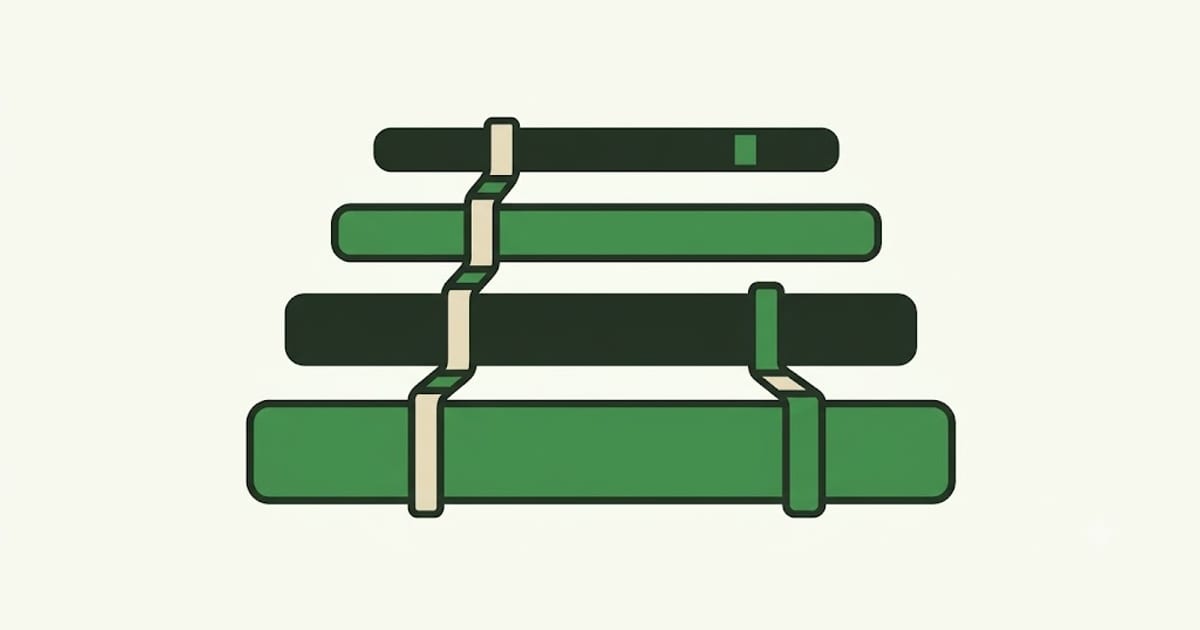 Collar Width — Wider Spreads the Load, Up to the Point It Chafes
Width is chosen by eye far more often than by the dog's neck, and it is the dimension that decides whether pressure is spread or concentrated.
 When to Size Up — Weekly for a Puppy, Seasonally for an Adult
The collar that fits in the shop fits for a fortnight. Nobody sets a reminder, and that is how embedded collars happen.
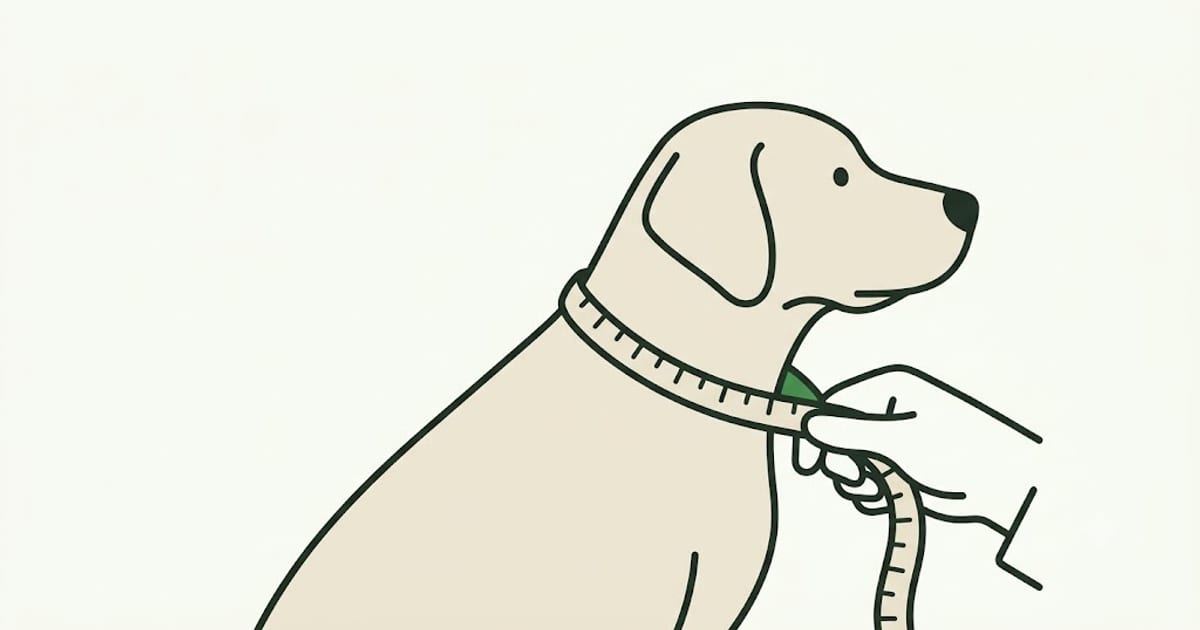 Measuring a Dog's Neck: Where the Tape Goes, and the Three Ways It Reads Wrong
The measurement takes fifteen seconds and three specific things make it wrong. All of them read small, which is the direction that lets a dog back out.
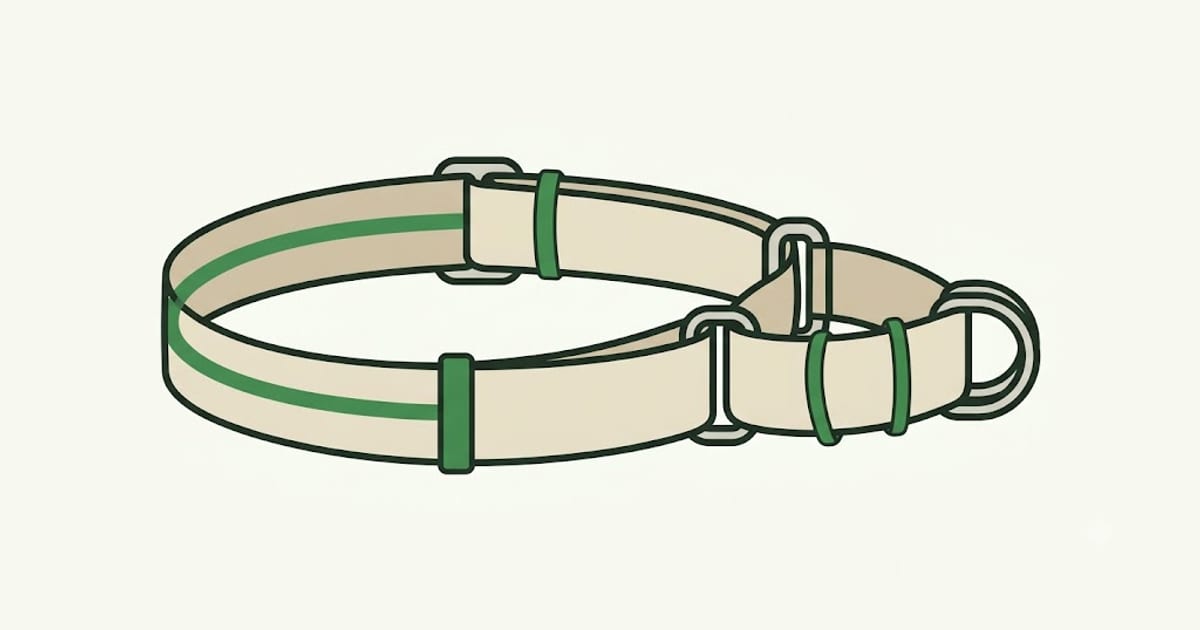 Martingale or Flat Collar? It Depends Whether the Head Is Narrower Than the Neck
For most dogs a flat collar is fine. For dogs whose head is narrower than their neck, a flat collar loose enough to be comfortable is loose enough to escape.
 Dog Collar Sizing: The Two-Finger Rule Beats Every Breed Chart
A breed chart tells you which collars to look at. It cannot tell you which one fits, because two dogs of the same breed and weight routinely need different sizes.