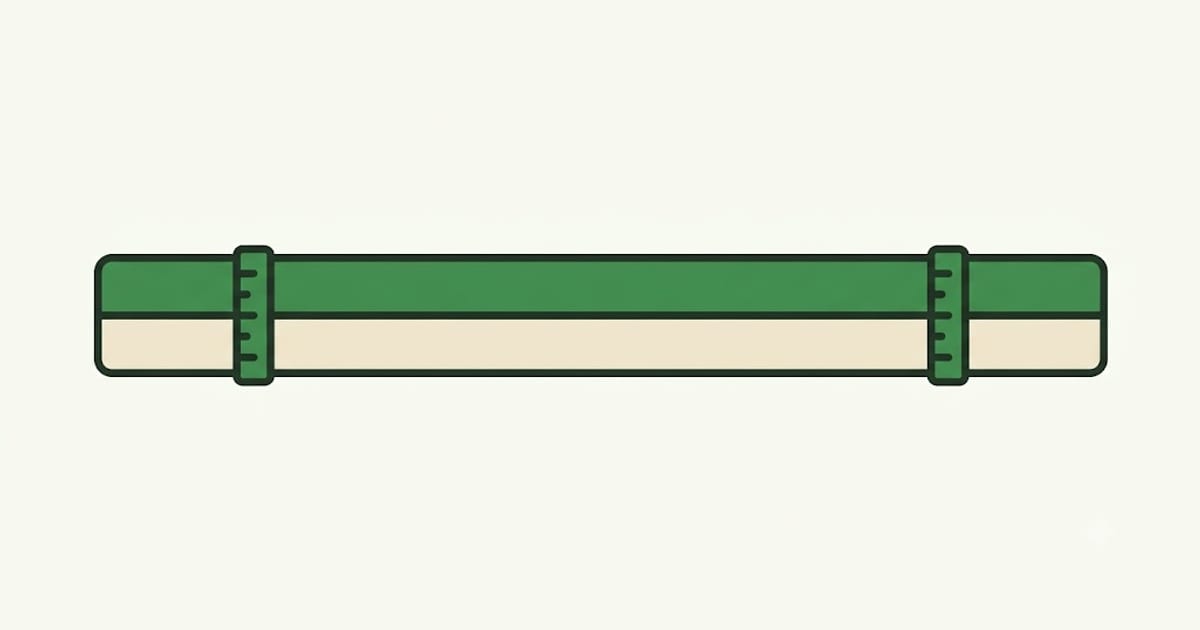
Coats are sized on back length, and back length has a specific definition that is not the one most people use.
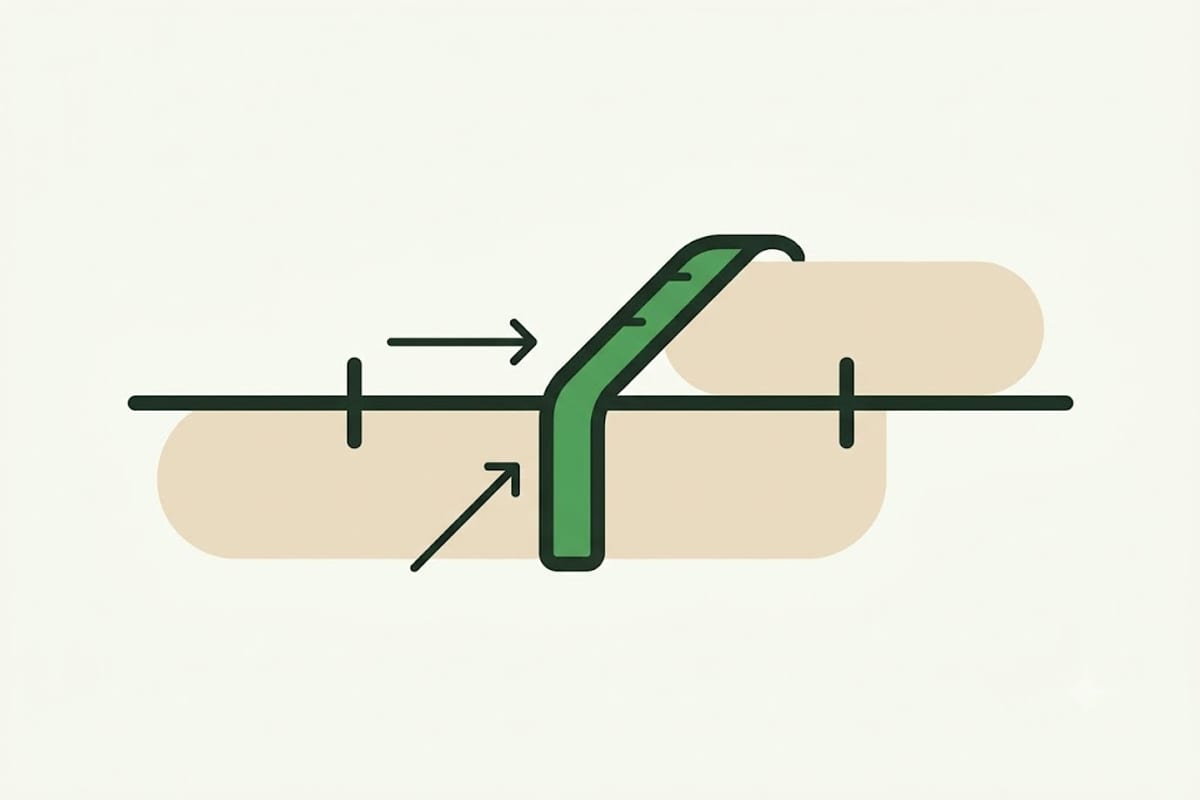
Measuring back length
From the withers — the bony ridge at the base of the neck, where the shoulder blades meet — to the base of the tail.
Not from the collar. Not from the back of the skull. The withers is several inches behind both, and measuring from either adds length that produces a coat too big.
Measure with the dog standing squarely, head up, on all four feet. A sitting dog measures short.
What too long does
The coat reaches over the base of the tail and onto the hindquarters. Three consequences:
It restricts the back legs, and the dog either moves stiffly or refuses to move at all — which owners often read as the dog disliking coats.
It gets soiled during toileting, on both sexes but particularly on males where the coat extends under the belly.
It catches on things and, on a long-haired dog, it pulls coat.
What too short does
The loins are left exposed — the span between the last rib and the hips, which has the least muscle and the least natural insulation, and which is exactly what a coat is meant to cover.
A coat that stops short of the base of the tail is doing much less than it appears to.
Girth is the second measurement
Around the deepest part of the chest, behind the front legs. Many coats offer a girth adjustment; where the chart gives both back length and girth ranges and the dog falls into different sizes on each, size on back length and adjust girth.
Where the girth range cannot accommodate the dog at the correct back length, the coat is the wrong shape for the dog. Deep-chested and barrel-chested breeds run into this constantly.
Where coats rub
Behind the front legs. The most common chafing point, and it means the armhole is too small or too far back. Look for redness after twenty minutes of wear.
At the neck opening, where a coat that is tight at the throat restricts head movement and, on a flat-faced breed, restricts more than that.
Under any strap, particularly a belly strap pulled tight to stop the coat rotating. A coat that needs its strap that tight is too large.
What the coat is actually for
Short-coated, thin and small dogs, puppies, elderly dogs and dogs with medical conditions genuinely lose heat and benefit from a coat in cold weather.
Double-coated northern breeds do not, and covering that coat can interfere with how it works. A husky in a coat is a fashion decision, not a welfare one.
Waterproof and windproof matter more than thickness for most dogs, because wet fur loses insulation dramatically and wind strips warm air out of a coat.
Fitting check
With the coat on, the dog should walk, sit, lie down and squat without the coat moving out of position or restricting anything. Watch a full stride from the side.
Then take it off after half an hour and look at the skin under every seam and strap. That inspection catches the fit problems that a standing dog in a shop never reveals.
Getting it on and off
A coat the dog dislikes wearing is often a coat that is unpleasant to put on. A design that goes over the head requires the dog to accept something being pulled past its face; a step-in or wrap design does not.
For a nervous dog, a wrap coat that fastens along the back is considerably easier to introduce, and the introduction is most of the battle.
Fasten it loosely the first few times, indoors, for a minute, with something good happening at the same time. A dog that has learned coats mean going outside in the cold has learned the wrong association.
Washing and the fit
Coats shrink. A fleece or a lined coat washed hot comes back a size smaller and often stiffer, and a coat that fitted in December can be tight in February for no reason connected to the dog.
Wash cool and air dry, and re-check the fit after the first wash rather than assuming it survived.