By Breed
Breed is a useful starting point and a poor finishing one.
Why within-breed spread beats between-size spread
Take Labradors. The breed standard allows a range that spans roughly 25–36 kg, and working lines sit well below show lines. That spread is wider than the gap between two adjacent collar sizes on most manufacturers' charts.
So a breed-average chart puts a Labrador in a size that is right for the middle of the breed and wrong for both ends of it. The average is real; it just does not describe any particular dog.
| What breed predicts well | What it predicts badly |
|---|---|
| Adult growth curve shape | Adult size within ±20% |
| Coat type and clearance | Neck-to-head ratio in an individual |
| Chest depth tendency | Whether this dog is at breed standard |
Where breed genuinely earns its place
Two jobs, both about shape rather than size.
Head narrower than neck. Sighthounds, and several herding breeds, can back straight out of a flat collar. That is a breed fact, not a measurement, and it changes which collar you buy rather than which size.
Growth curve. A Great Dane and a Chihuahua at four months old are at completely different fractions of adult weight — large breeds front-load growth in the first six months, then slow, while toy breeds finish early. Predicting adult weight from a puppy requires knowing which curve applies, and that is what breed tells you.
How to use these pages
Start with the breed page for the shape and the growth curve. Then measure the dog for the number. The two together beat either alone, and the chart alone beats neither.
15 articles
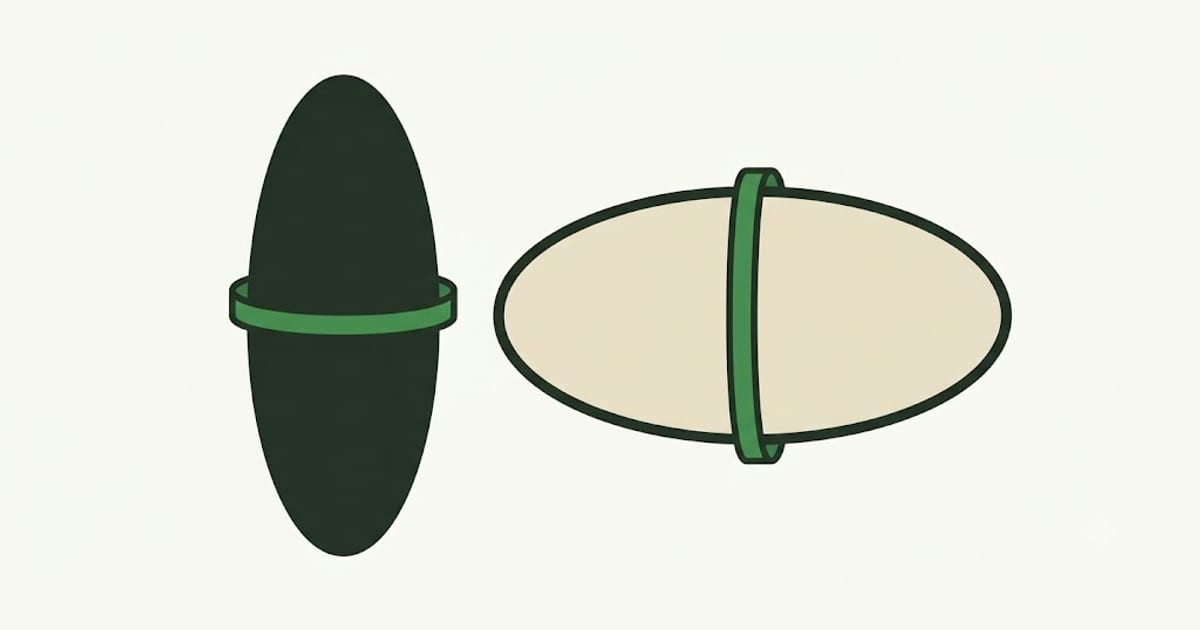 Deep Chests and Barrel Chests — Why Weight-Based Sizing Fails
A greyhound and a bulldog can weigh the same. Nothing else about how a harness sits on them is the same.
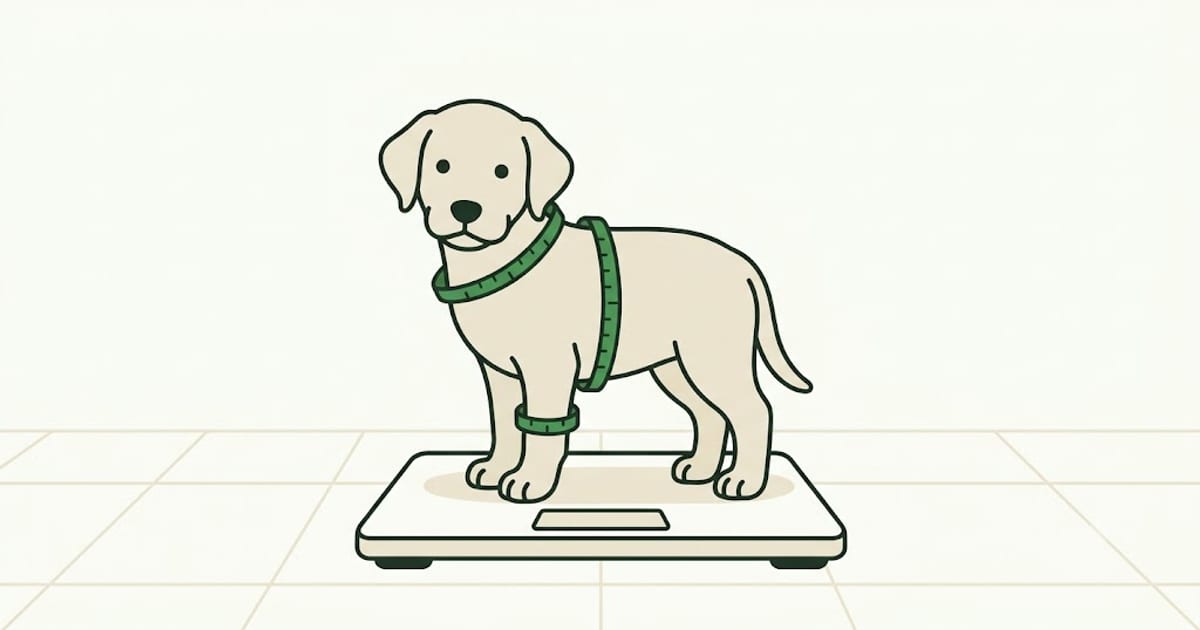 How Big Will My Puppy Get? The Formulas, and How Rough They Really Are
The estimating formulas are usable and they are approximations, which matters most for the one purchase you cannot redo — the crate.
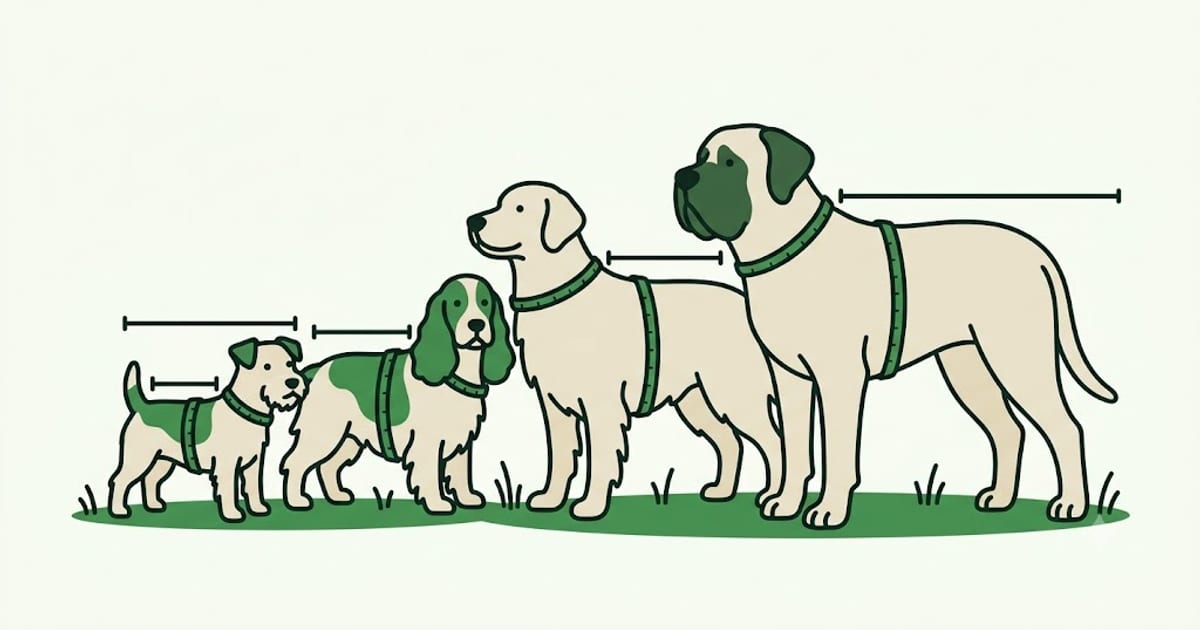 Average Weight by Dog Breed — and Why It Is the Wrong Number for Sizing Gear
Breed weight ranges are wide enough that the middle of the range describes a minority of dogs. That is fine for a rough expectation and useless for buying anything that has to fit.